







 It's interesting that Jamaicans call the police 'Babylon,' given that Babylon denotes a society seeking materialist pleasures. Drug use is about transcending the material world and seeking spiritual states: states that the materialist derides as meaningless.
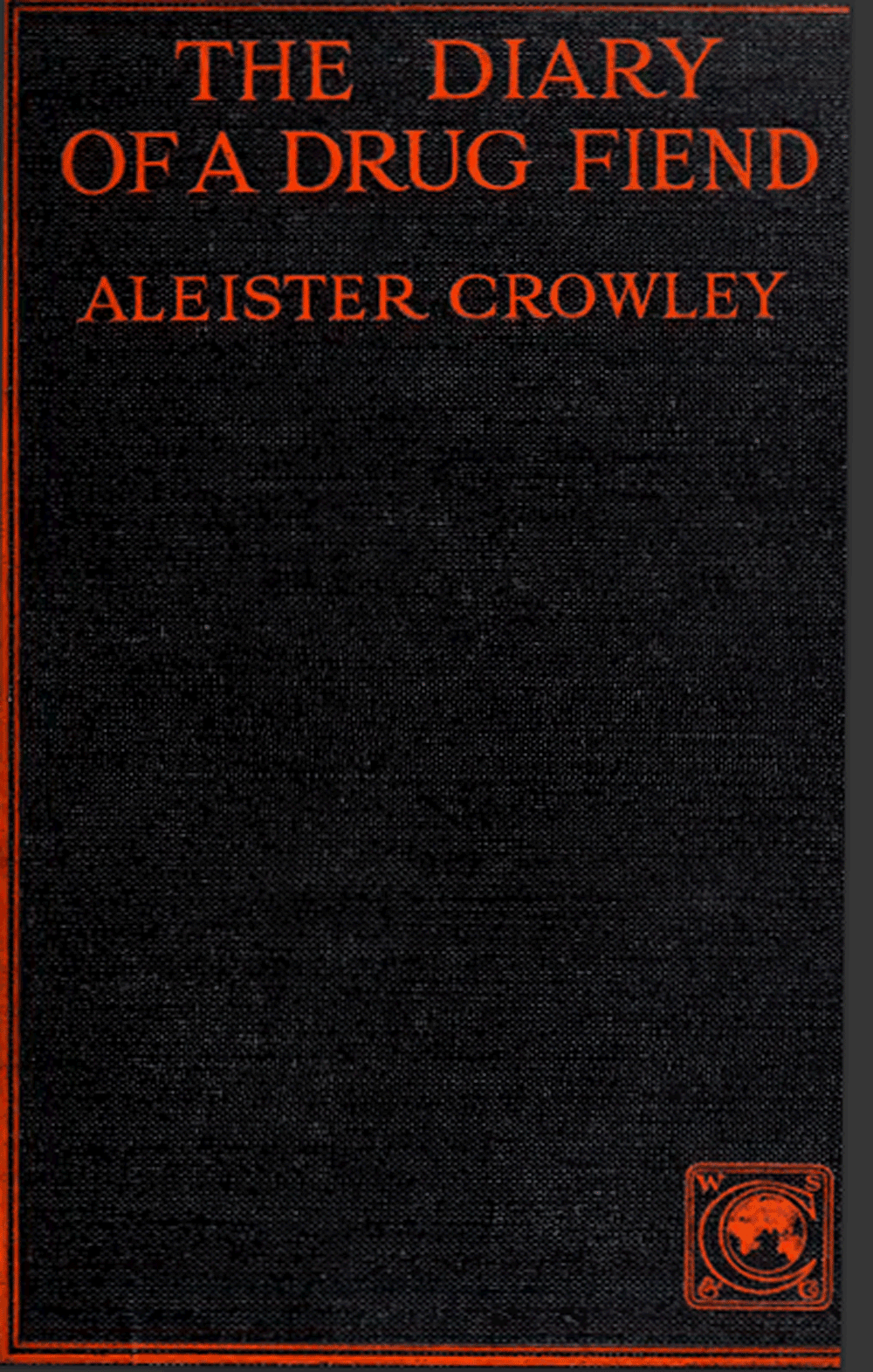
"If England [were to] revert to pre-war conditions, when any responsible person, by signing his name in a book, could buy drugs at a fair profit on cost price... the whole underground traffic would disappear like a bad dream." -- Aleister Crowley
There are hundreds of things that we should outlaw before drugs (like horseback riding) if, as claimed, we are targeting dangerous activities. Besides, drugs are only dangerous BECAUSE of prohibition, which compromises product purity and refuses to teach safe use.
Capitalism naturally results in disease-mongering by a self-interested medically establishment -- and disease-mongering requires the suppression of medicines that work holistically.
The drug war is a meta-injustice. It does not just limit what you're allowed to think, it limits how and how much you are allowed to think.
It is actually illegal to be a Ben Franklin in 21st century America. To put this another way: we outlaw far more than drugs when we outlaw mind and mood medicine.
In an article about Mazatec mushroom use, the author says: "Mushrooms should not be considered a drug." True. But then NOTHING should be considered a drug: every substance has potential good uses.
I've always wondered why we don't just let heroin users be -- or better yet, re-legalize drugs and give them choices. Why are they punished for using heroin daily while we praise 1 in 4 women for taking an even more dependence-causing drug every day of their life?
The Drug War is the legally enforced triumph of human idiocy. We have rigged the deck so that our dunces can be right. The Drug War is a superstition. Indeed, it is THE modern superstition.
In response to a tweet that "some drugs cannot be used wisely for recreational purposes": The problem is, most people draw such conclusions based on general impressions inspired by a media that demonizes drugs. In reality, it's hard to imagine a drug that cannot theoretically be used wisely for recreation at some dose, in some context.
It's interesting that Jamaicans call the police 'Babylon,' given that Babylon denotes a society seeking materialist pleasures. Drug use is about transcending the material world and seeking spiritual states: states that the materialist derides as meaningless.
"If England [were to] revert to pre-war conditions, when any responsible person, by signing his name in a book, could buy drugs at a fair profit on cost price... the whole underground traffic would disappear like a bad dream." -- Aleister Crowley
There are hundreds of things that we should outlaw before drugs (like horseback riding) if, as claimed, we are targeting dangerous activities. Besides, drugs are only dangerous BECAUSE of prohibition, which compromises product purity and refuses to teach safe use.
Capitalism naturally results in disease-mongering by a self-interested medically establishment -- and disease-mongering requires the suppression of medicines that work holistically.
The drug war is a meta-injustice. It does not just limit what you're allowed to think, it limits how and how much you are allowed to think.
It is actually illegal to be a Ben Franklin in 21st century America. To put this another way: we outlaw far more than drugs when we outlaw mind and mood medicine.
In an article about Mazatec mushroom use, the author says: "Mushrooms should not be considered a drug." True. But then NOTHING should be considered a drug: every substance has potential good uses.
I've always wondered why we don't just let heroin users be -- or better yet, re-legalize drugs and give them choices. Why are they punished for using heroin daily while we praise 1 in 4 women for taking an even more dependence-causing drug every day of their life?
The Drug War is the legally enforced triumph of human idiocy. We have rigged the deck so that our dunces can be right. The Drug War is a superstition. Indeed, it is THE modern superstition.
In response to a tweet that "some drugs cannot be used wisely for recreational purposes": The problem is, most people draw such conclusions based on general impressions inspired by a media that demonizes drugs. In reality, it's hard to imagine a drug that cannot theoretically be used wisely for recreation at some dose, in some context.


 (up)
(up)