








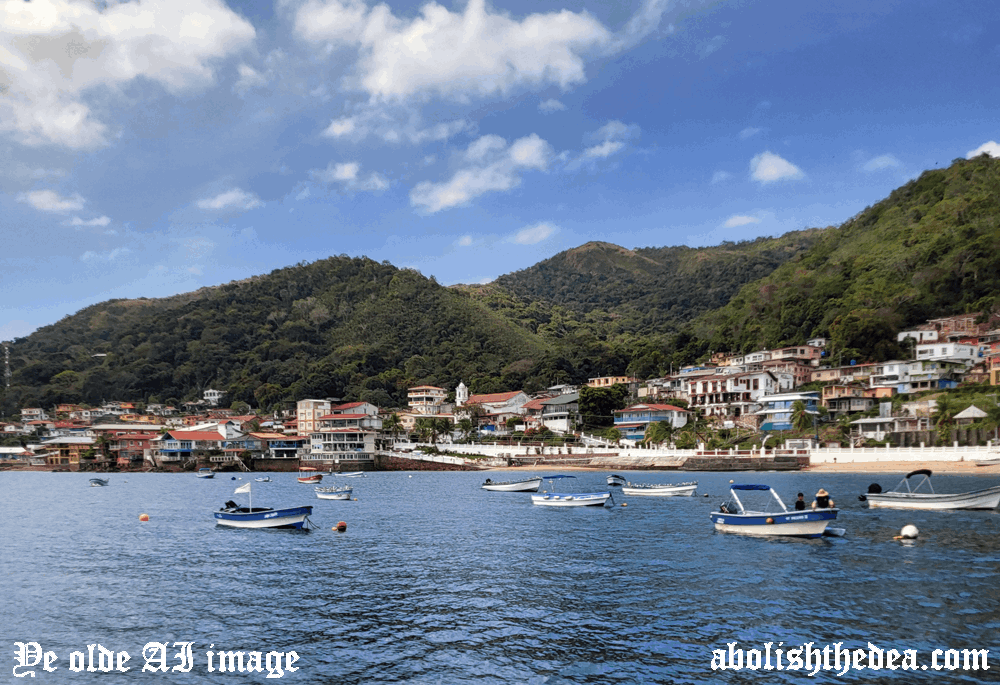
 During our stifling walk through Taboga Island on a typical summer day in Panama in February 2026, our resident tour guide brought us to the oceanside house of Francisco Pizarro, where the Conquistador lived the good life with the help of his encomienda of 150 indigenous slaves before setting off to conquer Peru, not once, but twice. I was startled to learn that a house with such a name even existed on the so-called "Island of Flowers," let alone that it was located on a street that unapologetically boasted the same controversial name. My astonishment only grew when our guide informed our small group of day trippers that the house is still in the hands of Pizarro's descendants to this very day. "What?", I thought to myself. "Did not the indigenous people of Peru successfully demand the removal of the equestrian statue of Pizarro from the Lima capital in 2003? Why is this house and street tolerated by the Mestizo population of the island, given their tangible connections with the peoples whom the Spaniard decimated for nepotistic gain, the encomiendas thus generated being shared with his three equally ruthless brothers?"
 FDA drug approval is a farce when it comes to psychoactive medicine. The FDA ignores all the obvious benefits and pretends that to prove efficacy, they need "scientific" evidence. That's scientism, not science.
Just saw a prosecutor gloating about the drug dealers she has taken down.How much is she getting paid to play whack-a-mole?
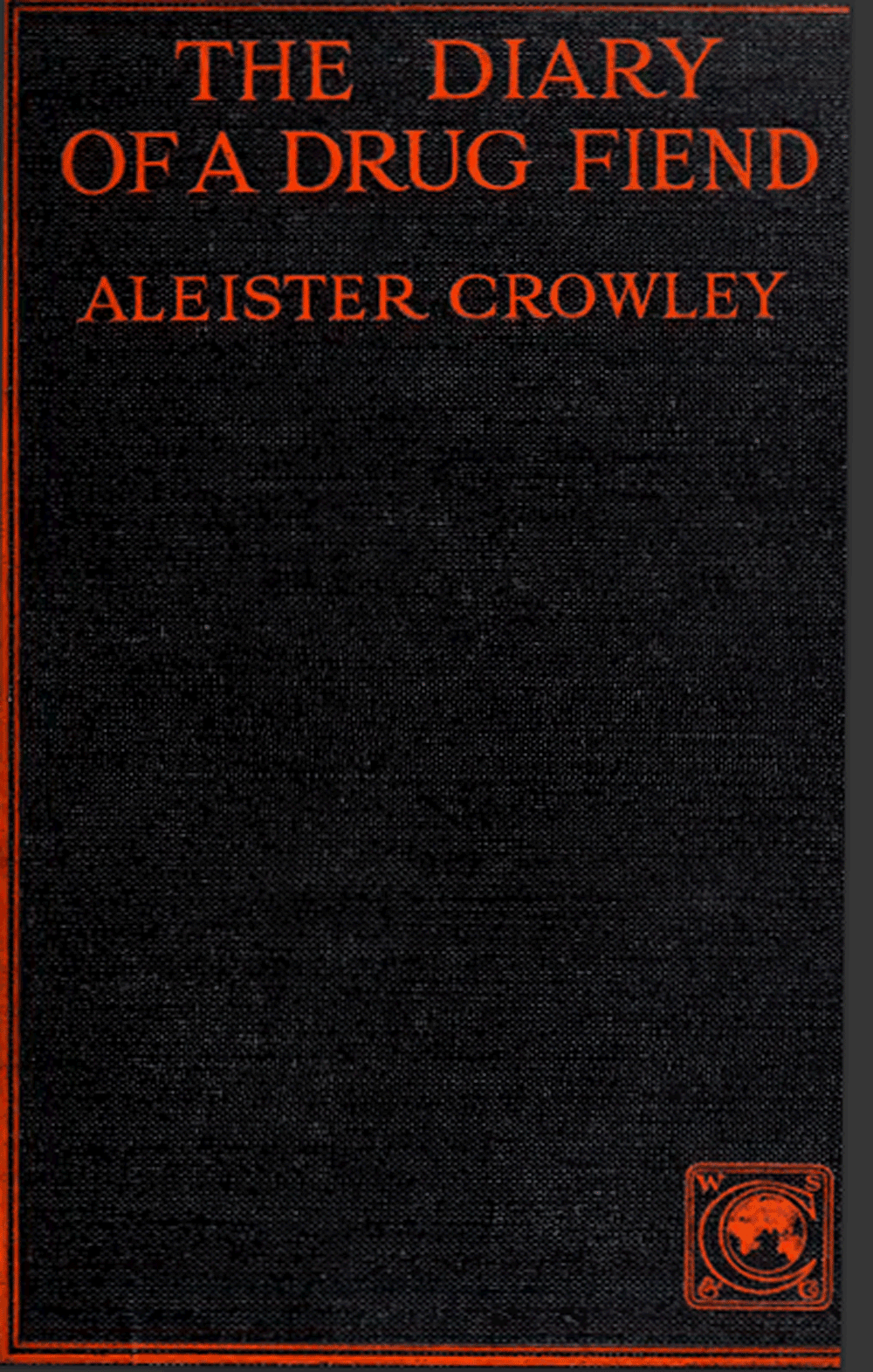
"There has been so much delirious nonsense written about drugs that sane men may well despair of seeing the light." -- Aleister Crowley, from "Essays on Intoxication"
"Abuse" is a funny term because it implies that there's a right way to use "drugs," which is something that the drug warriors deny. To the contrary, they make the anti-scientific claim that "drugs" are not good for anybody for any reason at any dose.
Videos about science and psilocybin are funny. They show nerds trying to catch up with common sense.
Prohibition is wrong root and branch. It seeks to justify the colonial disdain for indigenous healing practices through fearmongering.
Every time I see a psychiatrist, I feel like I'm playing a game of make-believe. We're both pretending that hundreds of demonized medicines do not exist and could be of no use whatsoever.
The Drug War is a religion. The "addict" is a sinner who has to come home to the true faith of Christian Science. In reality, neither physical nor psychological addiction need be a problem if all drugs were legal and we used them creatively to counter problematic use.
The UK just legalized assisted dying. This means that you can use drugs to kill a person, but you still can't use drugs to make that person want to live.
The very idea of a DEA Museum creeps me out. It makes me want to say, like a Valley girl: "Ok, like... this is so wrong on so many levels."
FDA drug approval is a farce when it comes to psychoactive medicine. The FDA ignores all the obvious benefits and pretends that to prove efficacy, they need "scientific" evidence. That's scientism, not science.
Just saw a prosecutor gloating about the drug dealers she has taken down.How much is she getting paid to play whack-a-mole?
"There has been so much delirious nonsense written about drugs that sane men may well despair of seeing the light." -- Aleister Crowley, from "Essays on Intoxication"
"Abuse" is a funny term because it implies that there's a right way to use "drugs," which is something that the drug warriors deny. To the contrary, they make the anti-scientific claim that "drugs" are not good for anybody for any reason at any dose.
Videos about science and psilocybin are funny. They show nerds trying to catch up with common sense.
Prohibition is wrong root and branch. It seeks to justify the colonial disdain for indigenous healing practices through fearmongering.
Every time I see a psychiatrist, I feel like I'm playing a game of make-believe. We're both pretending that hundreds of demonized medicines do not exist and could be of no use whatsoever.
The Drug War is a religion. The "addict" is a sinner who has to come home to the true faith of Christian Science. In reality, neither physical nor psychological addiction need be a problem if all drugs were legal and we used them creatively to counter problematic use.
The UK just legalized assisted dying. This means that you can use drugs to kill a person, but you still can't use drugs to make that person want to live.
The very idea of a DEA Museum creeps me out. It makes me want to say, like a Valley girl: "Ok, like... this is so wrong on so many levels."


 (up)
(up)