








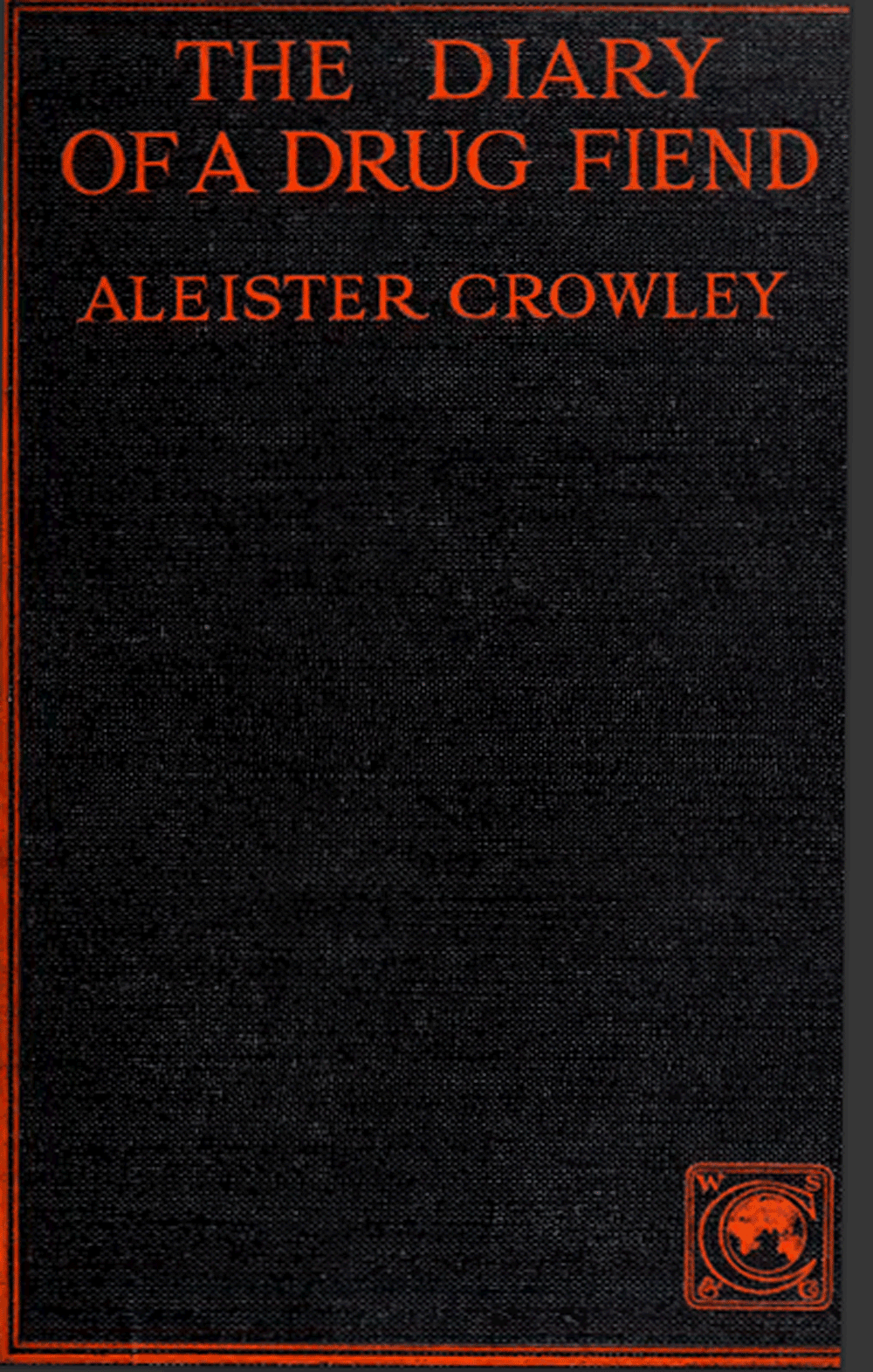
 I have been consoling myself lately over my online invisibility by thinking of my essays as so many manuscripts in a bottle, so many instalments in a diary written initially for myself, but with the hope that it might someday inspire others. This perspective not only helps me to cope with my online ostracization, but it helps me to live like a saint as well, insofar as the transcendent viewpoint has historically counseled human beings to speak truth without expectation of either gain or praise, but rather merely because it was the truth. Of course, I have never fully lived up to that lofty goal. I often get the feeling of "why bother" when I see zero statistical progress in my attempts at online proselytization. I have to keep reminding myself that I am writing a sort of diary and that I can only have faith that it will someday make a difference to somebody but myself. "Yeah, that's it," I tell myself, mentally mimicking the whining voice of Rico, the petty hoodlum played by Edgar G. Robinson in his 1931 breakthrough hit called Little Caesar. "It's a diary, see? Yeeeeah."
The press is having a field day with the Matthew Perry story. They love to have a nice occasion to demonize drugs. I wonder how many decades must pass before they realize that people are killed by ignorance and a corrupted drug supply, not by the drugs themselves.
Americans love to hate heroin. But there is no rational reason why folks should not use heroin daily in a world in which we consider it their medical duty to use antidepressants daily.
I wonder if Nixon knew what a favor he was doing medical capitalism when he outlawed psychedelics. Those drugs can actually cure things, and there's no money in that.
Before anyone receives shock therapy -- or the right to assisted suicide -- they should have the option to start using opium or cocaine daily -- in fact, any drug that makes them feel that life is worth living again.
Morphine can provide a vivid appreciation of mother nature in properly disposed minds. That should be seen as a benefit. Instead, dogma tells us that we must hate morphine for any use.
The press once again hauls out the easy answer. Reiner's son was using drugs! Aha! Of course, that explains EVERYTHING! [sigh]
In a compassionate world, we would give laughing gas kits to the suicidal just as we now give epi pens to those with severe allergies.
Alcohol is a drug in liquid form. If drug warriors want to punish people who use drugs, they should start punishing themselves.
Oregon's drug policy is incoherent and cruel. The rich and healthy spend $4,000 a week on psilocybin. The poor and chemically dependent are thrown in jail, unless they're on SSRIs, in which case they're congratulated for "taking their meds."
"They have called thee Soma-lover: here is the pressed juice. Drink thereof for rapture." -Rig Veda
(There would be no Hindu religion today had the drug war been in effect in the Punjab 3,500 years ago.)
I have been consoling myself lately over my online invisibility by thinking of my essays as so many manuscripts in a bottle, so many instalments in a diary written initially for myself, but with the hope that it might someday inspire others. This perspective not only helps me to cope with my online ostracization, but it helps me to live like a saint as well, insofar as the transcendent viewpoint has historically counseled human beings to speak truth without expectation of either gain or praise, but rather merely because it was the truth. Of course, I have never fully lived up to that lofty goal. I often get the feeling of "why bother" when I see zero statistical progress in my attempts at online proselytization. I have to keep reminding myself that I am writing a sort of diary and that I can only have faith that it will someday make a difference to somebody but myself. "Yeah, that's it," I tell myself, mentally mimicking the whining voice of Rico, the petty hoodlum played by Edgar G. Robinson in his 1931 breakthrough hit called Little Caesar. "It's a diary, see? Yeeeeah."
The press is having a field day with the Matthew Perry story. They love to have a nice occasion to demonize drugs. I wonder how many decades must pass before they realize that people are killed by ignorance and a corrupted drug supply, not by the drugs themselves.
Americans love to hate heroin. But there is no rational reason why folks should not use heroin daily in a world in which we consider it their medical duty to use antidepressants daily.
I wonder if Nixon knew what a favor he was doing medical capitalism when he outlawed psychedelics. Those drugs can actually cure things, and there's no money in that.
Before anyone receives shock therapy -- or the right to assisted suicide -- they should have the option to start using opium or cocaine daily -- in fact, any drug that makes them feel that life is worth living again.
Morphine can provide a vivid appreciation of mother nature in properly disposed minds. That should be seen as a benefit. Instead, dogma tells us that we must hate morphine for any use.
The press once again hauls out the easy answer. Reiner's son was using drugs! Aha! Of course, that explains EVERYTHING! [sigh]
In a compassionate world, we would give laughing gas kits to the suicidal just as we now give epi pens to those with severe allergies.
Alcohol is a drug in liquid form. If drug warriors want to punish people who use drugs, they should start punishing themselves.
Oregon's drug policy is incoherent and cruel. The rich and healthy spend $4,000 a week on psilocybin. The poor and chemically dependent are thrown in jail, unless they're on SSRIs, in which case they're congratulated for "taking their meds."
"They have called thee Soma-lover: here is the pressed juice. Drink thereof for rapture." -Rig Veda
(There would be no Hindu religion today had the drug war been in effect in the Punjab 3,500 years ago.)


 (up)
(up)