








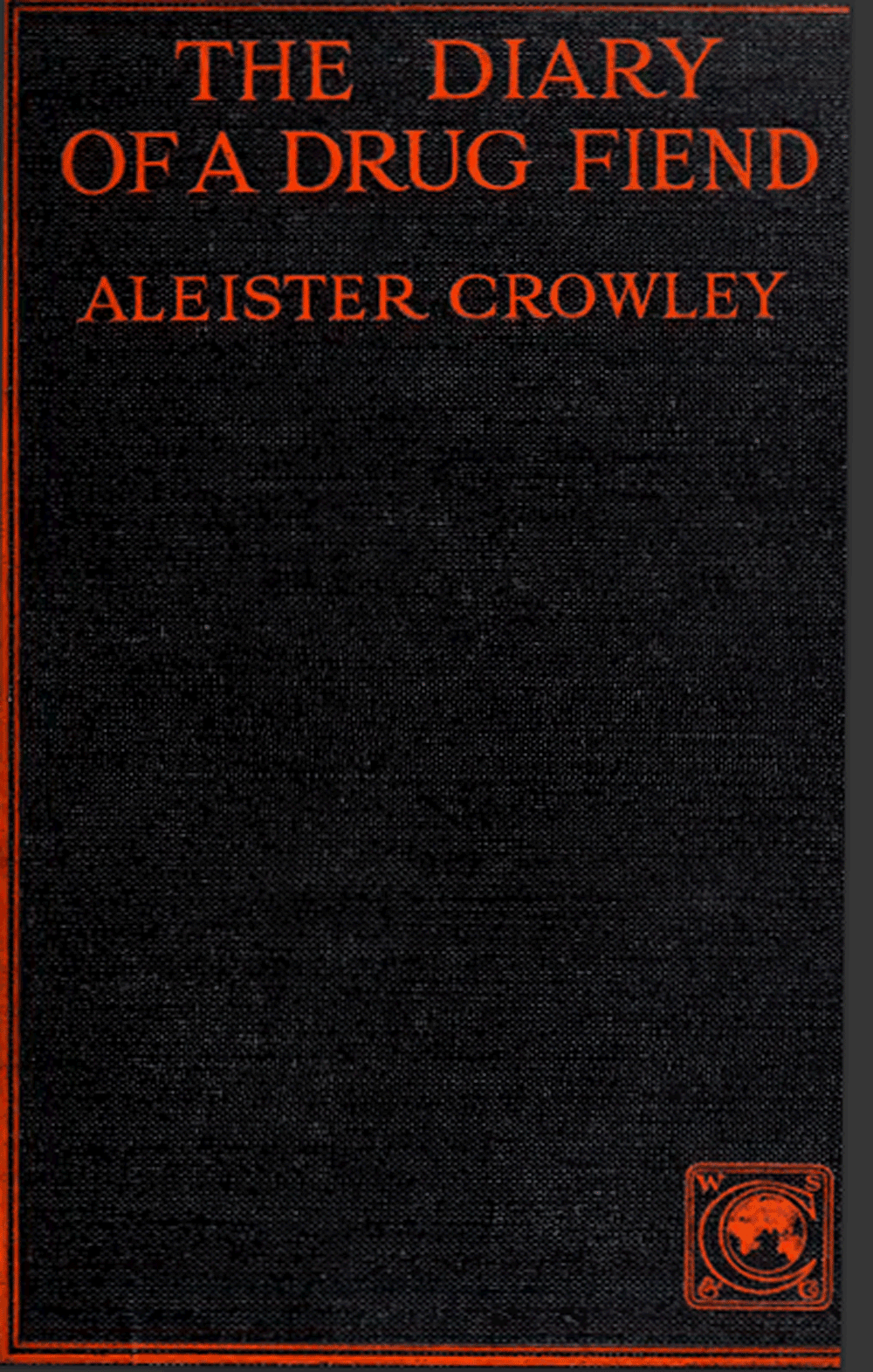
 I have been consoling myself lately over my online invisibility by thinking of my essays as so many manuscripts in a bottle, so many instalments in a diary written initially for myself, but with the hope that it might someday inspire others. This perspective not only helps me to cope with my online ostracization, but it helps me to live like a saint as well, insofar as the transcendent viewpoint has historically counseled human beings to speak truth without expectation of either gain or praise, but rather merely because it was the truth. Of course, I have never fully lived up to that lofty goal. I often get the feeling of "why bother" when I see zero statistical progress in my attempts at online proselytization. I have to keep reminding myself that I am writing a sort of diary and that I can only have faith that it will someday make a difference to somebody but myself. "Yeah, that's it," I tell myself, mentally mimicking the whining voice of Rico, the petty hoodlum played by Edgar G. Robinson in his 1931 breakthrough hit called Little Caesar. "It's a diary, see? Yeeeeah."
Oregon has decided to go back to the braindead plan of treating substance use as a police matter. Might as well arrest people at home since America has already spread their drug-hating Christian Science religion all over the world.
The DEA should be tried for crimes against humanity. They have been lying about drugs for 50 years and running interference between human beings and Mother Nature in violation of natural law, depriving us of countless potential and known godsends in order to create more DEA jobs.
In his treatise on laws, Cicero reported that the psychedelic-fueled Eleusinian Mysteries gave the participants "not only the art of living agreeably, but of dying with a better hope."
Prohibition is wrong root and branch. It seeks to justify the colonial disdain for indigenous healing practices through fearmongering.
It is actually illegal to be a Ben Franklin in 21st century America. To put this another way: we outlaw far more than drugs when we outlaw mind and mood medicine.
Wade Davis wrote in Rolling Stone that cocaine was outlawed because 400 people consumed toxic doses worldwide. SO WHAT?! 178,000 people die from alcohol every year in America alone.
"Abuse" is a funny term because it implies that there's a right way to use "drugs," which is something that the drug warriors deny. To the contrary, they make the anti-scientific claim that "drugs" are not good for anybody for any reason at any dose.
Imagine the Vedic people shortly after they have discovered soma. Everyone's ecstatic -- except for one oddball. "I'm not sure about these experiences," says he. "I think we need to start dissecting the brains of our departed adherents to see what's REALLY going on in there."
The Hindu religion was inspired by drug use.
Besides, why should I listen to the views of a microbe?
I have been consoling myself lately over my online invisibility by thinking of my essays as so many manuscripts in a bottle, so many instalments in a diary written initially for myself, but with the hope that it might someday inspire others. This perspective not only helps me to cope with my online ostracization, but it helps me to live like a saint as well, insofar as the transcendent viewpoint has historically counseled human beings to speak truth without expectation of either gain or praise, but rather merely because it was the truth. Of course, I have never fully lived up to that lofty goal. I often get the feeling of "why bother" when I see zero statistical progress in my attempts at online proselytization. I have to keep reminding myself that I am writing a sort of diary and that I can only have faith that it will someday make a difference to somebody but myself. "Yeah, that's it," I tell myself, mentally mimicking the whining voice of Rico, the petty hoodlum played by Edgar G. Robinson in his 1931 breakthrough hit called Little Caesar. "It's a diary, see? Yeeeeah."
Oregon has decided to go back to the braindead plan of treating substance use as a police matter. Might as well arrest people at home since America has already spread their drug-hating Christian Science religion all over the world.
The DEA should be tried for crimes against humanity. They have been lying about drugs for 50 years and running interference between human beings and Mother Nature in violation of natural law, depriving us of countless potential and known godsends in order to create more DEA jobs.
In his treatise on laws, Cicero reported that the psychedelic-fueled Eleusinian Mysteries gave the participants "not only the art of living agreeably, but of dying with a better hope."
Prohibition is wrong root and branch. It seeks to justify the colonial disdain for indigenous healing practices through fearmongering.
It is actually illegal to be a Ben Franklin in 21st century America. To put this another way: we outlaw far more than drugs when we outlaw mind and mood medicine.
Wade Davis wrote in Rolling Stone that cocaine was outlawed because 400 people consumed toxic doses worldwide. SO WHAT?! 178,000 people die from alcohol every year in America alone.
"Abuse" is a funny term because it implies that there's a right way to use "drugs," which is something that the drug warriors deny. To the contrary, they make the anti-scientific claim that "drugs" are not good for anybody for any reason at any dose.
Imagine the Vedic people shortly after they have discovered soma. Everyone's ecstatic -- except for one oddball. "I'm not sure about these experiences," says he. "I think we need to start dissecting the brains of our departed adherents to see what's REALLY going on in there."
The Hindu religion was inspired by drug use.
Besides, why should I listen to the views of a microbe?


 (up)
(up)