








 The drug war is the defeatist doctrine that we will never be able to use psychoactive drugs wisely. It's a self-fulfilling prophecy because the government does everything it can to make drug use dangerous.
The "scheduling" system is completely anti-scientific and anti-patient. It tells us we can make a one-size-fits-all decision about psychoactive substances without regard for dosage, context of use, reason for use, etc. That's superstitious tyranny.
No wonder conservatives are terrified of drugs. It is not safety that worries them, else they would demand education. They are terrified of new ways of seeing life. The outlawing of drugs is the outlawing of whole mindsets. It is a meta injustice.
Let's arrest drug warriors, confiscate their houses, and deny them jobs in America -- until such time as they renounce their belief in the demonstrably ruinous policy of substance prohibition.
I'm interested in CBD myself, because I want to gain benefits at times without experiencing intoxication. So I think it's great. But I like it as part of an overall strategy toward mental health. I do not think of CBD, as some do, as a way to avoid using naughty drugs.
You can get a Ph.D. in healthcare, and not learn a thing about the glaringly obvious benefits of drugs, as demonstrated by history, anecdote and common sense.
Thomas Szasz was not an extremist when it comes to drugs. The extremists are those who feel that psychiatrists know more about our mind and mood than we do.
No substance is bad in and of itself. Fentanyl has positive uses, at specific doses, for specific people, in specific situations. But the drug war votes substance up or down. That is hugely anti-scientific and it blocks human progress.
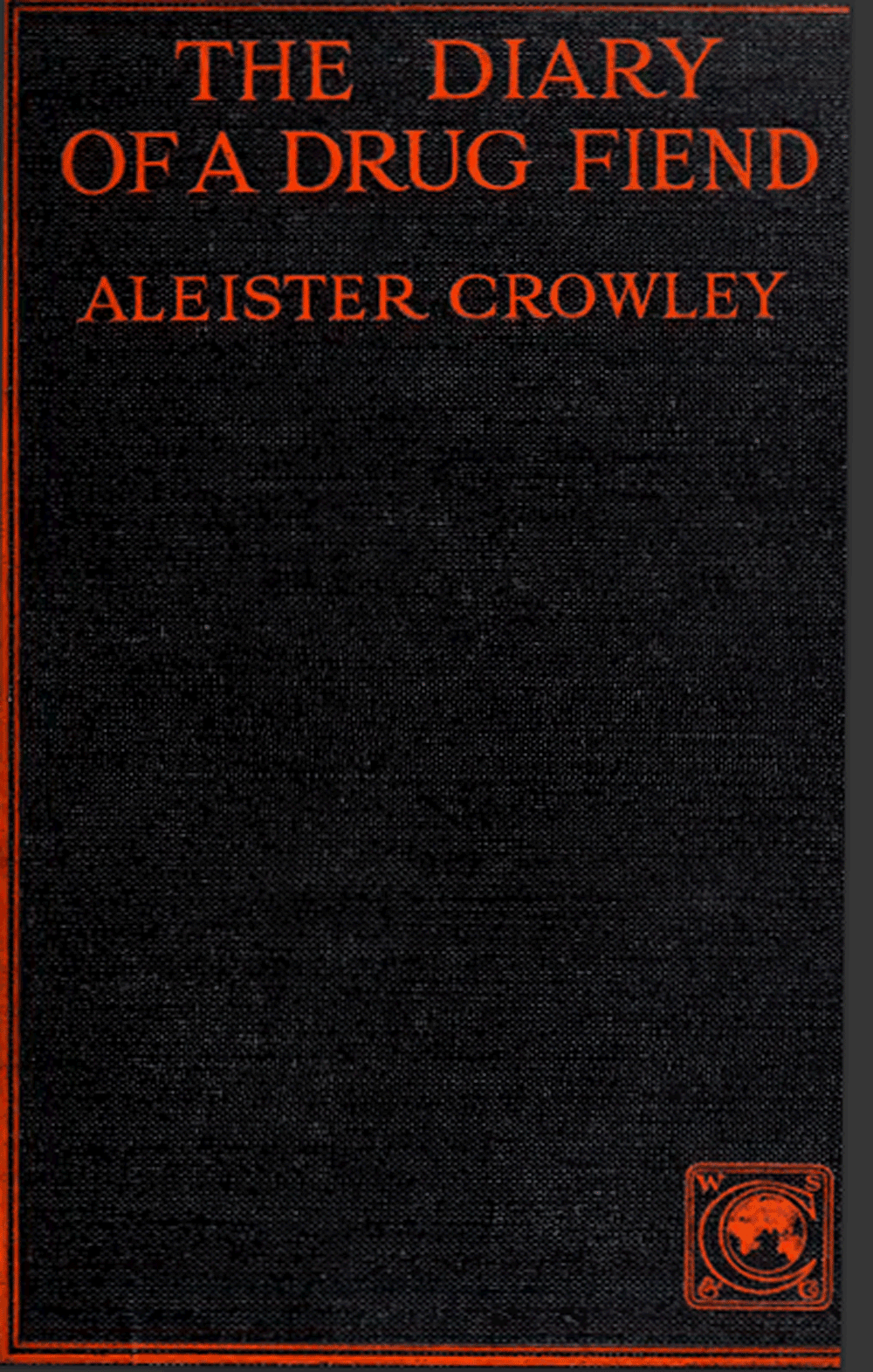
Aleister Crowley actually TRIED to get addicted to drugs and found he could not. These things are not inevitable. The fact that there are town drunkards does not mean that we should outlaw alcohol.
America legalizes alcohol and then outlaws all the drugs that could help prevent and cure alcoholism.
The drug war is the defeatist doctrine that we will never be able to use psychoactive drugs wisely. It's a self-fulfilling prophecy because the government does everything it can to make drug use dangerous.
The "scheduling" system is completely anti-scientific and anti-patient. It tells us we can make a one-size-fits-all decision about psychoactive substances without regard for dosage, context of use, reason for use, etc. That's superstitious tyranny.
No wonder conservatives are terrified of drugs. It is not safety that worries them, else they would demand education. They are terrified of new ways of seeing life. The outlawing of drugs is the outlawing of whole mindsets. It is a meta injustice.
Let's arrest drug warriors, confiscate their houses, and deny them jobs in America -- until such time as they renounce their belief in the demonstrably ruinous policy of substance prohibition.
I'm interested in CBD myself, because I want to gain benefits at times without experiencing intoxication. So I think it's great. But I like it as part of an overall strategy toward mental health. I do not think of CBD, as some do, as a way to avoid using naughty drugs.
You can get a Ph.D. in healthcare, and not learn a thing about the glaringly obvious benefits of drugs, as demonstrated by history, anecdote and common sense.
Thomas Szasz was not an extremist when it comes to drugs. The extremists are those who feel that psychiatrists know more about our mind and mood than we do.
No substance is bad in and of itself. Fentanyl has positive uses, at specific doses, for specific people, in specific situations. But the drug war votes substance up or down. That is hugely anti-scientific and it blocks human progress.
Aleister Crowley actually TRIED to get addicted to drugs and found he could not. These things are not inevitable. The fact that there are town drunkards does not mean that we should outlaw alcohol.
America legalizes alcohol and then outlaws all the drugs that could help prevent and cure alcoholism.


 (up)
(up)