








 America arrests people whose only crime is that they are trying to be all that they can be in life... in such a way that psychiatrists are not getting THEIR cut.
Here is a typical user report about a drug that the DEA tells us has no positive uses whatsoever:
"There is a profoundness of meaning inherent in anything that moves." (reported in "Pikhal" by Alexander Shulgin)
Mad in America solicits personal stories about people trying to get off of antidepressants, but they will not publish your story if you want to use entheogenic medicines to help you. They're afraid their readers can't handle the truth.
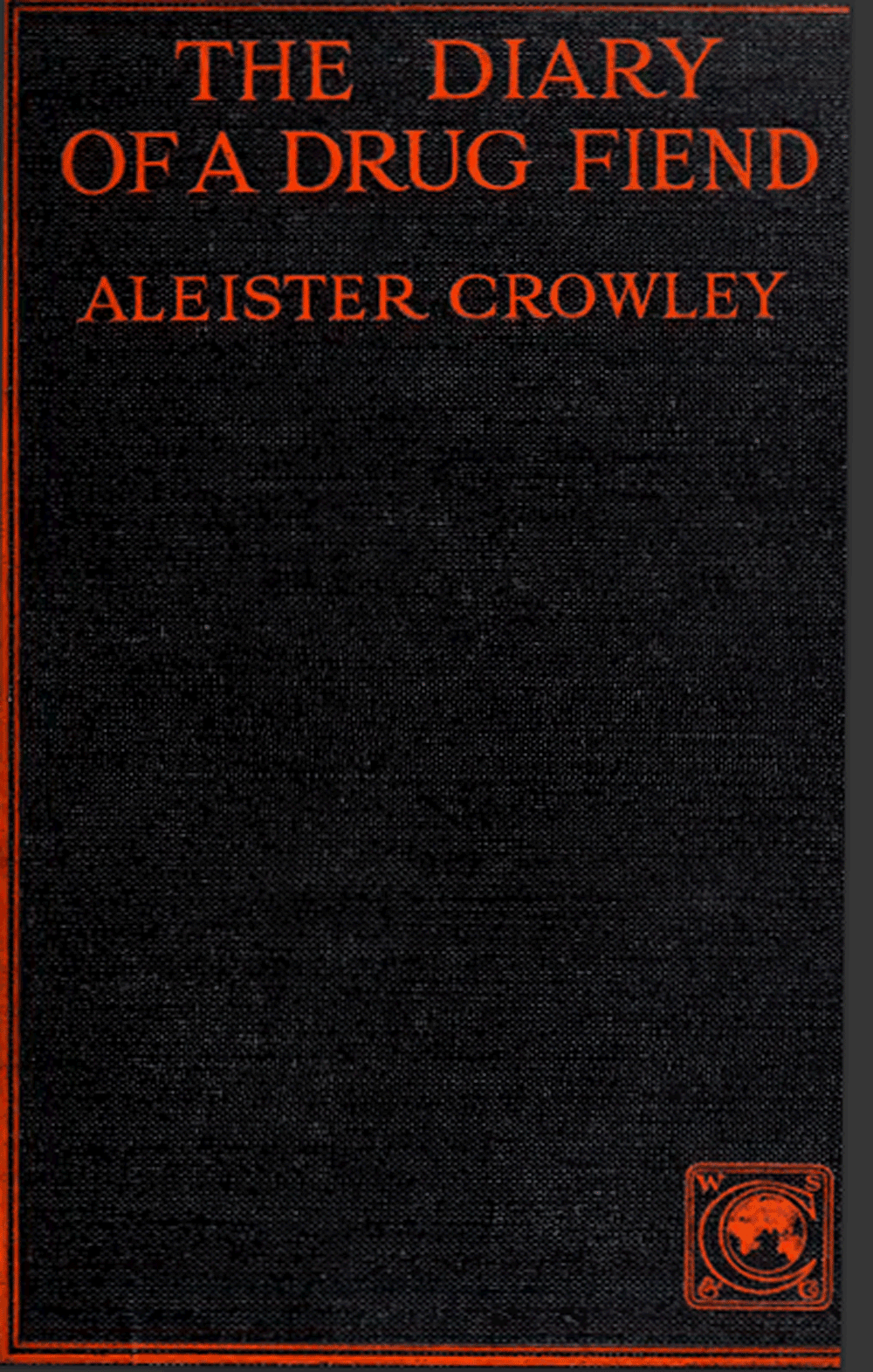
"The depression lifted from my mind like the sun coming out of the clouds." -- Arthur Crowley after using cocaine
The outlawing of opium eventually resulted in an "opioid crisis"? The message is clear: people want self-transcendence. If we don't let them find it safely, they will find it dangerously.
Opium is a godsend, as folks like Galen, Avicenna and Paracelsus knew. The drug war has facilitated a nightmare by outlawing peaceable use at home and making safe use almost impossible.
Guess who's in charge of protecting us from AI? Chuck Schumer! The same guy who protected us from drugs -- by turning America into a prison camp full of minorities and so handing two presidential elections to Donald Trump.
I can't believe people. Somebody's telling me that "drugs" is not used problematically. It is CONSTANTLY used with a sneer in the voice when politicians want to diss somebody, as in, "Oh, they're in favor of DRUGS!!!" It's a political term as used today!
The FDA uses reductive materialism to justify and normalize the views of Cortes and Pizarro with respect to entheogenic medicine.
When folks die in horse-related accidents, we need to be asking: who sold the victim the horse? We've got to crack down on folks who peddle this junk -- and ban books like Black Beauty that glamorize horse use.
America arrests people whose only crime is that they are trying to be all that they can be in life... in such a way that psychiatrists are not getting THEIR cut.
Here is a typical user report about a drug that the DEA tells us has no positive uses whatsoever:
"There is a profoundness of meaning inherent in anything that moves." (reported in "Pikhal" by Alexander Shulgin)
Mad in America solicits personal stories about people trying to get off of antidepressants, but they will not publish your story if you want to use entheogenic medicines to help you. They're afraid their readers can't handle the truth.
"The depression lifted from my mind like the sun coming out of the clouds." -- Arthur Crowley after using cocaine
The outlawing of opium eventually resulted in an "opioid crisis"? The message is clear: people want self-transcendence. If we don't let them find it safely, they will find it dangerously.
Opium is a godsend, as folks like Galen, Avicenna and Paracelsus knew. The drug war has facilitated a nightmare by outlawing peaceable use at home and making safe use almost impossible.
Guess who's in charge of protecting us from AI? Chuck Schumer! The same guy who protected us from drugs -- by turning America into a prison camp full of minorities and so handing two presidential elections to Donald Trump.
I can't believe people. Somebody's telling me that "drugs" is not used problematically. It is CONSTANTLY used with a sneer in the voice when politicians want to diss somebody, as in, "Oh, they're in favor of DRUGS!!!" It's a political term as used today!
The FDA uses reductive materialism to justify and normalize the views of Cortes and Pizarro with respect to entheogenic medicine.
When folks die in horse-related accidents, we need to be asking: who sold the victim the horse? We've got to crack down on folks who peddle this junk -- and ban books like Black Beauty that glamorize horse use.


 (up)
(up)