







 That's another problem with "following the science." Science downplays personal testimony as subjective. But psychoactive experiences are all ABOUT subjectivity. With such drugs, users are not widgets susceptible to the one-size-fits-all pills of reductionism.
If the depressed patient laughs, that means nothing. Materialists have to see results under a microscopic or they will never sign off on a therapy.
The Drug War is a crime against humanity.
"Judging" psychoactive drugs is hard. Dosage counts. Expectations count. Setting counts. In Harvey Rosenfeld's book about the Spanish-American War, a volunteer wrote of his visit to an "opium den": "I took about four puffs and that was enough. All of us were sick for a week."
It's a category error to say that scientists can tell us if psychoactive drugs "really work." It's like asking Dr. Spock of Star Trek if hugging "really works." ("Hugging is highly illogical, Captain.")
Psychedelics and entheogens should be freely available to all dementia patients. These medicines can increase neuronal plasticity and even grow new neurons. Besides, they can inspire and elate -- or do we puritans feel that our loved ones have no right to peace of mind?
In his book "Salvia Divinorum: The Sage of the Seers," Ross Heaven explains how "salvinorin A" is the strongest hallucinogen in the world and could treat Alzheimer's, AIDS, and various addictions. But America would prefer to demonize and outlaw the drug.
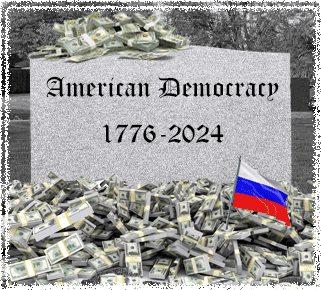
The Drug War shows us that American democracy is fundamentally flawed. Propaganda and fearmongering has persuaded Americans to give up freedoms that are clearly enunciated in the U.S. Constitution. We need a new democracy in which a Constitution actually matters.
We give kids drugs to improve their concentration -- but if adults use drugs to concentrate, we call them names and throw them in jail.
Drug prohibition is a crime against humanity. It is the outlawing of our right to take care of our own health.


 (up)