








"But foreign scholars sowed the seeds of doubts in the Indian minds. They dubbed it as hallucinative or psychotropic drug [sic]. They were very happy to dub the Vedic seers as drug addicts and drunkards."1
A Pennsylvanian politician now wants the US Army to "fight fentanyl." The guy is anthropomorphizing a damn drug! No wonder pols don't want to spend money on education, because any educated country would laugh a superstitious guy like that right out of public office.
The drug war is a whole wrong way of looking at the world. It tells us that substances can be judged "up" or "down," which is anti-scientific and blinds us to endless beneficial uses.
Here are some political terms that are extremely problematic in the age of the drug war:
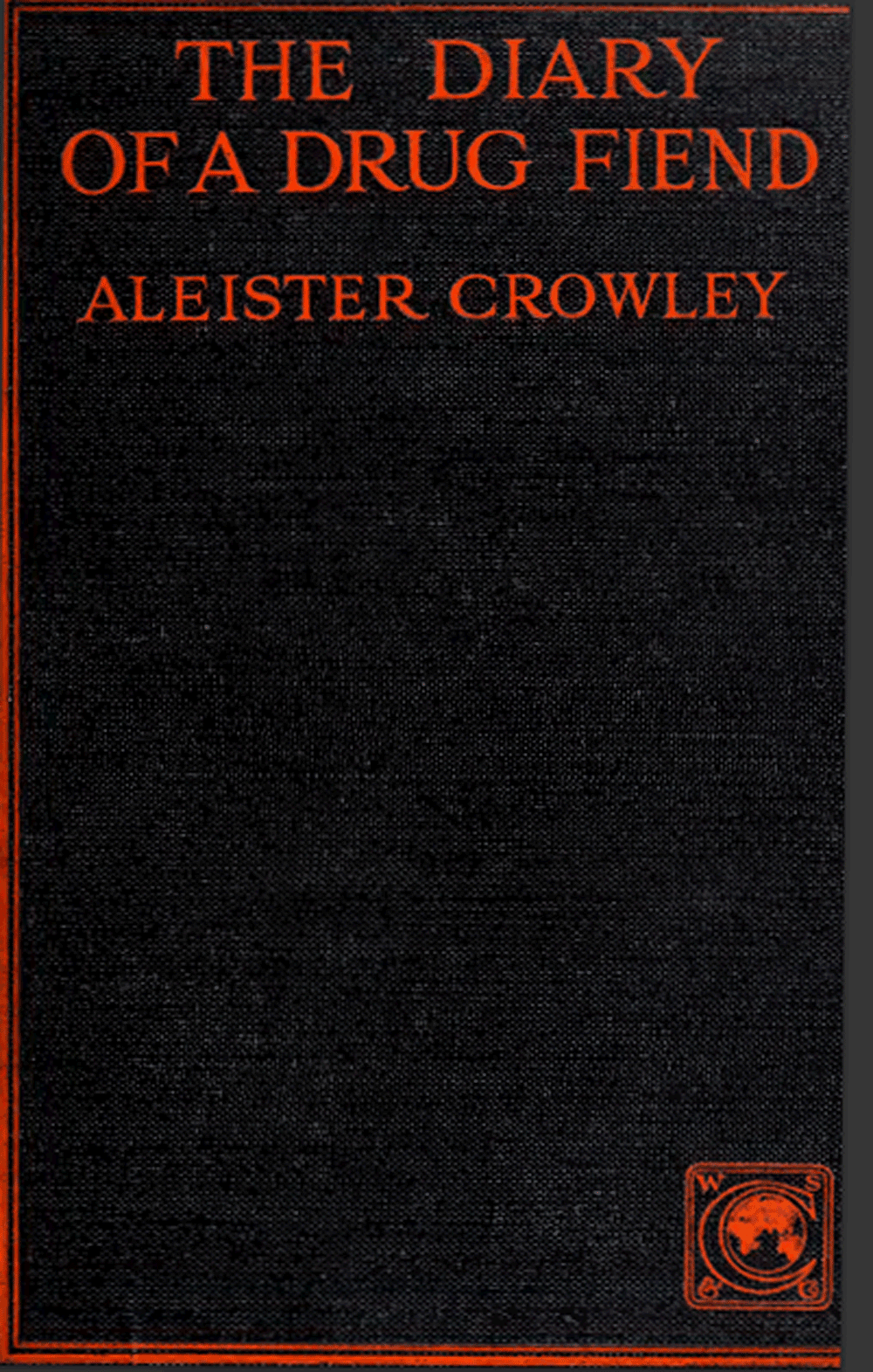
"clean," "junk," "dope," "recreational"... and most of all the word "drugs" itself, which is as biased and loaded as the word "scab."
It's a category error to say that scientists can tell us if psychoactive drugs "really work." It's like asking Dr. Spock of Star Trek if hugging "really works." ("Hugging is highly illogical, Captain.")
Someone tweeted that fears about a Christian Science theocracy are "baseless." Tell that to my uncle who was lobotomized because they outlawed meds that could cheer him up -- tell that to myself, a chronic depressive who could be cheered up in an instant with outlawed meds.
Billboards reading "Fentanyl kills" encourage the creation of racist legislation that outlaws all godsend uses of opiates. Kids in hospice in India go without morphine because of America's superstitious fear of opiates.
"Chemical means of peering into the contents of the inner mind have been universally prized as divine exordia in man’s quest for the beyond... before the coarseness of utilitarian minds reduced them to the status of 'dope'." -- Eric Hendrickson
Many people take antidepressants believing their depression has a biochemical cause. Research does not support this belief. --Dr. Noam Shpancer, Psychology Today
The most addictive drugs have a bunch of great uses, like treating pain and inspiring great literature. Prohibition causes addiction by making their use as problematic as possible and denying knowledge and choices. It's always wrong to blame drugs.
The benefits of outlawed drugs read like the ultimate wish-list for psychiatrists. It's a shame that so many of them are still mounting a rear guard action to defend their psychiatric pill mill -- which demoralizes clients by turning them into lifetime patients.

 (up)