








In 1905, amidst the largest drug epidemic in American history, a teenage Alice has just moved to the Pacific Northwest. She follows a mysterious man down a rabbit hole, leading her into Wonderland; a dark and curious world inhabited by characters from turn-of-the-century America and the Pacific Northwest. - Anonymous
The anonymous reviewer says "In 1905, during America's largest drug epidemic..." That is Drug War propaganda. There wasn't a drug epidemic in 1905, except in the minds of racists, who associated opium 1 use with the Chinese, marijuana use with Mexicans, and cocaine 2 3 use with blacks. America's largest drug epidemic is RIGHT NOW, when 1 in 8 American males, and 1 in 4 American females, are addicted to Big Pharma 4 5 antidepressants 6, many of which are harder to kick than heroin 7 (SOURCE: Psychiatrist-author Julie Holland). Moreover, this addiction was caused by the Drug War itself (which began in 1914 with the Harrison Narcotics Act) and its criminalization of far less addictive therapeutic godsends from Mother Nature.
If any master's candidates are looking for a thesis topic, consider the following: "The Drug War versus Religion: how the policy of substance prohibition outlaws the attainment of spiritual states described by William James in 'The Varieties of Religious Experience.'"
If drug war logic made sense, we would outlaw endless things in addition to drugs. Because the drug war says that it's all worth it if we can save just one life -- which is generally the life of a white suburban young person, btw.
If there were no other problem with antidepressants, they would be wrong for the simple reason that they make a user dependent for life -- not as a bug (as in drugs like opium) but rather as a feature: that's how they "work," by being administered daily for a lifetime.
The problem for alcoholics is that alcohol decreases rationality in proportion as it provides the desired self-transcendence. Outlawed drugs can provide self-transcendence with INCREASED rationality and be far more likely to keep the problem drinker off booze than abstinence.
Drug War censorship is supported by our "science" magazines, which pretend that outlawed drugs do not exist, and so write what amount to lies about the supposed intransigence of things like depression and anxiety.
"The homicidal drug is booze. There's more violence on a Saturday night in a neighborhood tavern than there has been in the whole 20-year history of LSD." -- Timothy Leary
I can't believe people. Somebody's telling me that "drugs" is not used problematically. It is CONSTANTLY used with a sneer in the voice when politicians want to diss somebody, as in, "Oh, they're in favor of DRUGS!!!" It's a political term as used today!
My approach to withdrawal: incrementally reduce daily doses over 6 months, or even a year, meanwhile using all the legal entheogens and psychedelics that you can find in a way likely to boost your endurance and "sense of purpose" to make withdrawal successful.
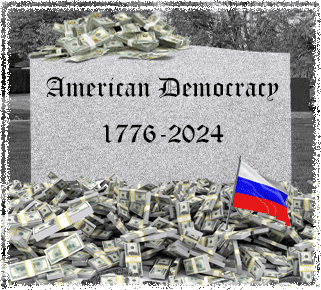
How else will they scare us enough to convince us to give up all our freedoms for the purpose of fighting horrible awful evil DRUGS? DRUGS is the sledgehammer with which they are destroying American democracy.
The government causes problems for those who are habituated to certain drugs. Then they claim that these problems are symptoms of an illness. Then folks like Gabriel Mate come forth to find the "hidden pain" in "addicts." It's one big morality play created by drug laws.

 (up)
(up)