








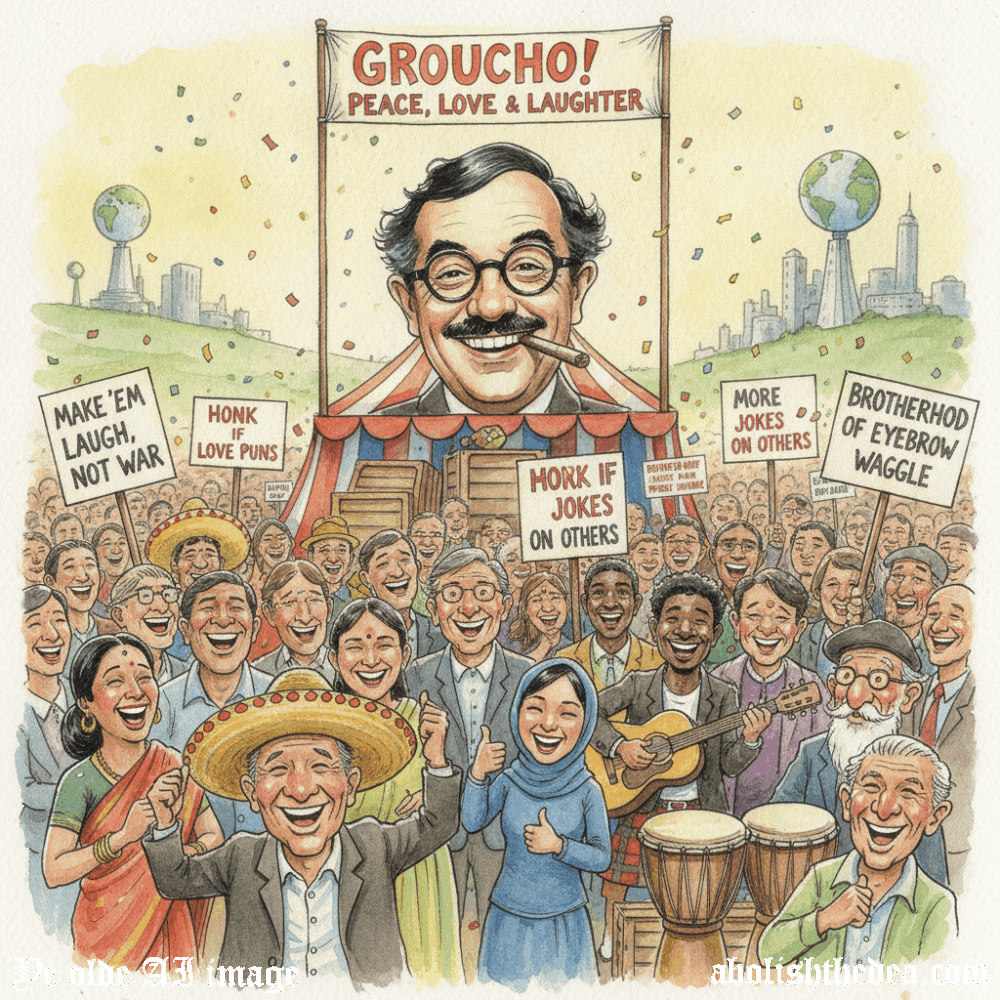
 Each day of my philosophical life, I attempt to focus on one specific aspect of how drug prohibition has denied me the right to control my very mind and mood. I risk otherwise firing off a bunch of imperfectly connected broadsides on my substack and website, thereby giving the professionals who are profiting from my disempowerment just the excuse they need to classify me as a disgruntled quack, someone whose drug-related views can be safely ignored. Take today, for instance. I am planning to write an essay to address a bizarre notion held by almost every single “expert" in the field of “behavioral health”: namely, that there is no evidence that outlawed substances could have any benefit whatsoever for human beings. That was to be my focus today, and so help me, it shall be, inshallah. And yet what does one do when one’s mind, indifferent to earthly timetables, promotes tangential topics to one’s field of awareness, saying in effect, like a harried supervisor in an understaffed newspaper office doling out written job assignments to a cub reporter: “I don’t know what you may be working on, Brian, but you’re going to have to fit these things in, someway or other, in your posts and articles for today; these things are just too important for you to ignore them in fealty to some ideal scheduling system or other. Sorry, but you’ve got to be flexible. You know what Emerson said: ‘A foolish consistency is the hobgoblin of little minds.’”
When scientists discuss suicide without mentioning the fact that their government has outlawed drugs, it is like scientists discussing deaths from bacterial infection without mentioning the fact that their government has outlawed antibiotics.
And we should not insist it's a problem if someone decides to use opium, for instance, daily. We certainly don't blame "patients" for using antidepressants daily. And getting off opium is easier than getting off many antidepressants -- see Julia Holland.
Until prohibition ends, rehab is all about enforcing a Christian Science attitude toward psychoactive medicines (with the occasional hypocritical exception of Big Pharma meds).
Ketamine is like any other drug. It has good uses for certain people in certain situations. Nowadays, people insist that a drug be okay in every situation for everybody (especially American teens) before they will say that it's okay. That's crazy and anti-scientific.
If I should die of some unusual concatenation of circumstances, I want my survivors to pass "Brian's Law," a law stating that we will no longer pass laws based on hard cases and so needlessly fill our prisons by taking common-sense discretion out of the hands of judges.
Americans are starting to think that psychedelics may be an exception to the rule that drugs are evil -- but drugs have never been evil. The evil resides in how we think, talk and legislate about drugs.
National Geo published an article entitled "Coca: a Blessing and a Curse." Coca was never a curse. Most people used it wisely, just as most people drink wisely. Doctors demonized it because it really worked and it could put them out of business. https://abolishthedea.com/sigmund_freuds_real_breakthrough_was_not_psychoanalysis.php
Scientists hold holistically working drugs to reductionist standards, thereby practicing a sort of pharmacological colonialsm.
Drug prohibition is not a victimless crime.
Classic prohibitionist gaslighting, telling me that "drugs" is a neutral term. What planet are they living on?
Each day of my philosophical life, I attempt to focus on one specific aspect of how drug prohibition has denied me the right to control my very mind and mood. I risk otherwise firing off a bunch of imperfectly connected broadsides on my substack and website, thereby giving the professionals who are profiting from my disempowerment just the excuse they need to classify me as a disgruntled quack, someone whose drug-related views can be safely ignored. Take today, for instance. I am planning to write an essay to address a bizarre notion held by almost every single “expert" in the field of “behavioral health”: namely, that there is no evidence that outlawed substances could have any benefit whatsoever for human beings. That was to be my focus today, and so help me, it shall be, inshallah. And yet what does one do when one’s mind, indifferent to earthly timetables, promotes tangential topics to one’s field of awareness, saying in effect, like a harried supervisor in an understaffed newspaper office doling out written job assignments to a cub reporter: “I don’t know what you may be working on, Brian, but you’re going to have to fit these things in, someway or other, in your posts and articles for today; these things are just too important for you to ignore them in fealty to some ideal scheduling system or other. Sorry, but you’ve got to be flexible. You know what Emerson said: ‘A foolish consistency is the hobgoblin of little minds.’”
When scientists discuss suicide without mentioning the fact that their government has outlawed drugs, it is like scientists discussing deaths from bacterial infection without mentioning the fact that their government has outlawed antibiotics.
And we should not insist it's a problem if someone decides to use opium, for instance, daily. We certainly don't blame "patients" for using antidepressants daily. And getting off opium is easier than getting off many antidepressants -- see Julia Holland.
Until prohibition ends, rehab is all about enforcing a Christian Science attitude toward psychoactive medicines (with the occasional hypocritical exception of Big Pharma meds).
Ketamine is like any other drug. It has good uses for certain people in certain situations. Nowadays, people insist that a drug be okay in every situation for everybody (especially American teens) before they will say that it's okay. That's crazy and anti-scientific.
If I should die of some unusual concatenation of circumstances, I want my survivors to pass "Brian's Law," a law stating that we will no longer pass laws based on hard cases and so needlessly fill our prisons by taking common-sense discretion out of the hands of judges.
Americans are starting to think that psychedelics may be an exception to the rule that drugs are evil -- but drugs have never been evil. The evil resides in how we think, talk and legislate about drugs.
National Geo published an article entitled "Coca: a Blessing and a Curse." Coca was never a curse. Most people used it wisely, just as most people drink wisely. Doctors demonized it because it really worked and it could put them out of business. https://abolishthedea.com/sigmund_freuds_real_breakthrough_was_not_psychoanalysis.php
Scientists hold holistically working drugs to reductionist standards, thereby practicing a sort of pharmacological colonialsm.
Drug prohibition is not a victimless crime.
Classic prohibitionist gaslighting, telling me that "drugs" is a neutral term. What planet are they living on?


 (up)
(up)