








 Today I would like to address a concern that some readers have about my habit of chastising the scientific establishment in my essays. I say "some readers," but I am actually referring to one reader in particular: an anonymous reader who was kind enough to share his viewpoints on this matter. I received the following comments this morning, apparently in response to my essay of yesterday entitled Pity the Ethnobotanist (or view on Substack).
Psychiatrists prescribe drugs that muck about with a patient's biochemical baseline, making them chemically dependent and turning them into patients for life.
Prohibitionists are responsible for the 200,000-plus killed in the US-inspired Mexican drug war in the 21st century.
Wade Davis wrote in Rolling Stone that cocaine was outlawed because 400 people consumed toxic doses worldwide. SO WHAT?! 178,000 people die from alcohol every year in America alone.
That's so "drug war" of Rick: If a psychoactive substance has a bad use at some dose, for somebody, then it must not be used at any dose by anybody. It's hard to imagine a less scientific proposition, or one more likely to lead to unnecessary suffering.
Michael Pollan is the Leona Helmsley of the Drug War. He uses outlawed drugs freely while failing to support the re-legalization of Mother Nature. Drug laws are apparently for the little people.
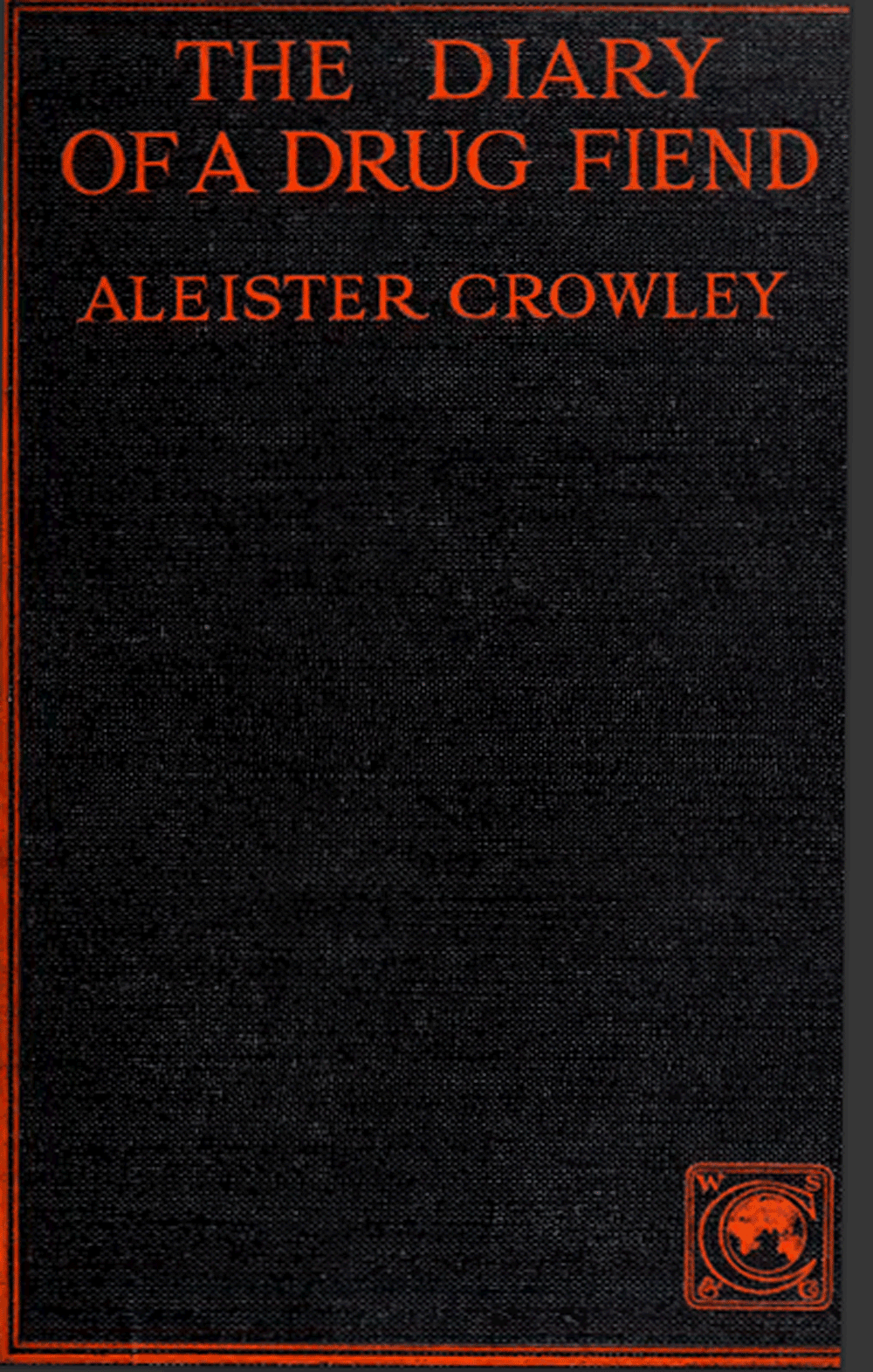
"If England [were to] revert to pre-war conditions, when any responsible person, by signing his name in a book, could buy drugs at a fair profit on cost price... the whole underground traffic would disappear like a bad dream." -- Aleister Crowley
The book "Plants of the Gods" is full of plants and fungi that could help addicts and alcoholics, sometimes in the plant's existing form, sometimes in combinations, sometimes via extracting alkaloids, etc. But drug warriors need addiction to sell their prohibition ideology.
Here is a typical user report about a drug that the DEA tells us has no positive uses whatsoever:
"There is a profoundness of meaning inherent in anything that moves." (reported in "Pikhal" by Alexander Shulgin)
Most enemies of inner-city gun violence refuse to protest against the drug prohibition which caused the violence in the first place.
For most drugs, dependency is a bug. For Big Pharma antidepressants, it is a feature.
Today I would like to address a concern that some readers have about my habit of chastising the scientific establishment in my essays. I say "some readers," but I am actually referring to one reader in particular: an anonymous reader who was kind enough to share his viewpoints on this matter. I received the following comments this morning, apparently in response to my essay of yesterday entitled Pity the Ethnobotanist (or view on Substack).
Psychiatrists prescribe drugs that muck about with a patient's biochemical baseline, making them chemically dependent and turning them into patients for life.
Prohibitionists are responsible for the 200,000-plus killed in the US-inspired Mexican drug war in the 21st century.
Wade Davis wrote in Rolling Stone that cocaine was outlawed because 400 people consumed toxic doses worldwide. SO WHAT?! 178,000 people die from alcohol every year in America alone.
That's so "drug war" of Rick: If a psychoactive substance has a bad use at some dose, for somebody, then it must not be used at any dose by anybody. It's hard to imagine a less scientific proposition, or one more likely to lead to unnecessary suffering.
Michael Pollan is the Leona Helmsley of the Drug War. He uses outlawed drugs freely while failing to support the re-legalization of Mother Nature. Drug laws are apparently for the little people.
"If England [were to] revert to pre-war conditions, when any responsible person, by signing his name in a book, could buy drugs at a fair profit on cost price... the whole underground traffic would disappear like a bad dream." -- Aleister Crowley
The book "Plants of the Gods" is full of plants and fungi that could help addicts and alcoholics, sometimes in the plant's existing form, sometimes in combinations, sometimes via extracting alkaloids, etc. But drug warriors need addiction to sell their prohibition ideology.
Here is a typical user report about a drug that the DEA tells us has no positive uses whatsoever:
"There is a profoundness of meaning inherent in anything that moves." (reported in "Pikhal" by Alexander Shulgin)
Most enemies of inner-city gun violence refuse to protest against the drug prohibition which caused the violence in the first place.
For most drugs, dependency is a bug. For Big Pharma antidepressants, it is a feature.


 (up)
(up)