








"The use of opium and its ingredients as a soothing and euphoric remedy has developed into a grave menace to the life of nations."
"The smoking of opium has wonderful societal benefits, especially when contrasted with the drinking of alcohol. It empowers the user to take care of most of their own health concerns without obtaining an expensive and time-consuming "by your leave" from medical science. Like any potentially dangerous substance, however (like fire, like electricity), the use of the drug may prove problematic for a certain small percentage of users. The following chapter will explain ways to use the drug as wisely as possible for the benefit of individuals and humankind."
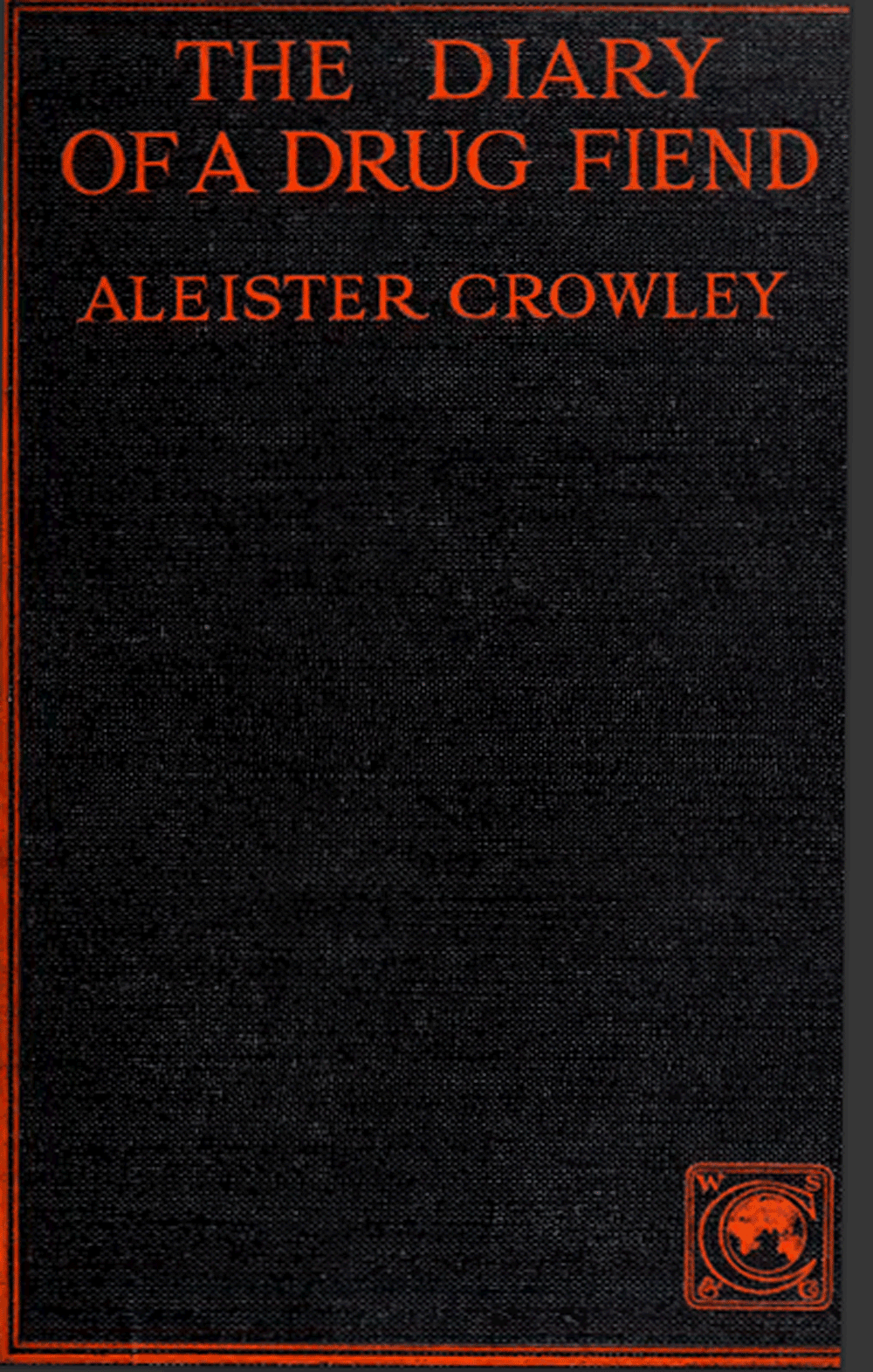
"Differing from alcoholism in that it does not betray its victim to others, the opium habit, especially since the war, has taken hold of whole classes of people who were formerly free from it."
"By this passion I mean the state which induces persons, habitually and as the result of a violent craving, to employ opium, morphia, and other substances of the same kind, without being driven thereto by a grave or incurable disease, but with the sole object of obtaining agreeable sensations in the brain, even though they know, or ought to know, that they are risking health and life as the price of this abuse."
"The strong craving that characterizes opiate addiction has inspired many critics of the drugs to suggest that narcotics destroy the will and moral sense, turning normal people into fiends and degenerates. Actually, cravings for opiates are no different from cravings for alcohol among alcoholics, and they are less strong than cravings for cigarettes, a more addictive drug." --From Chocolate to morphine 6 : Everything You Need to Know About Mind-Altering Drugs7
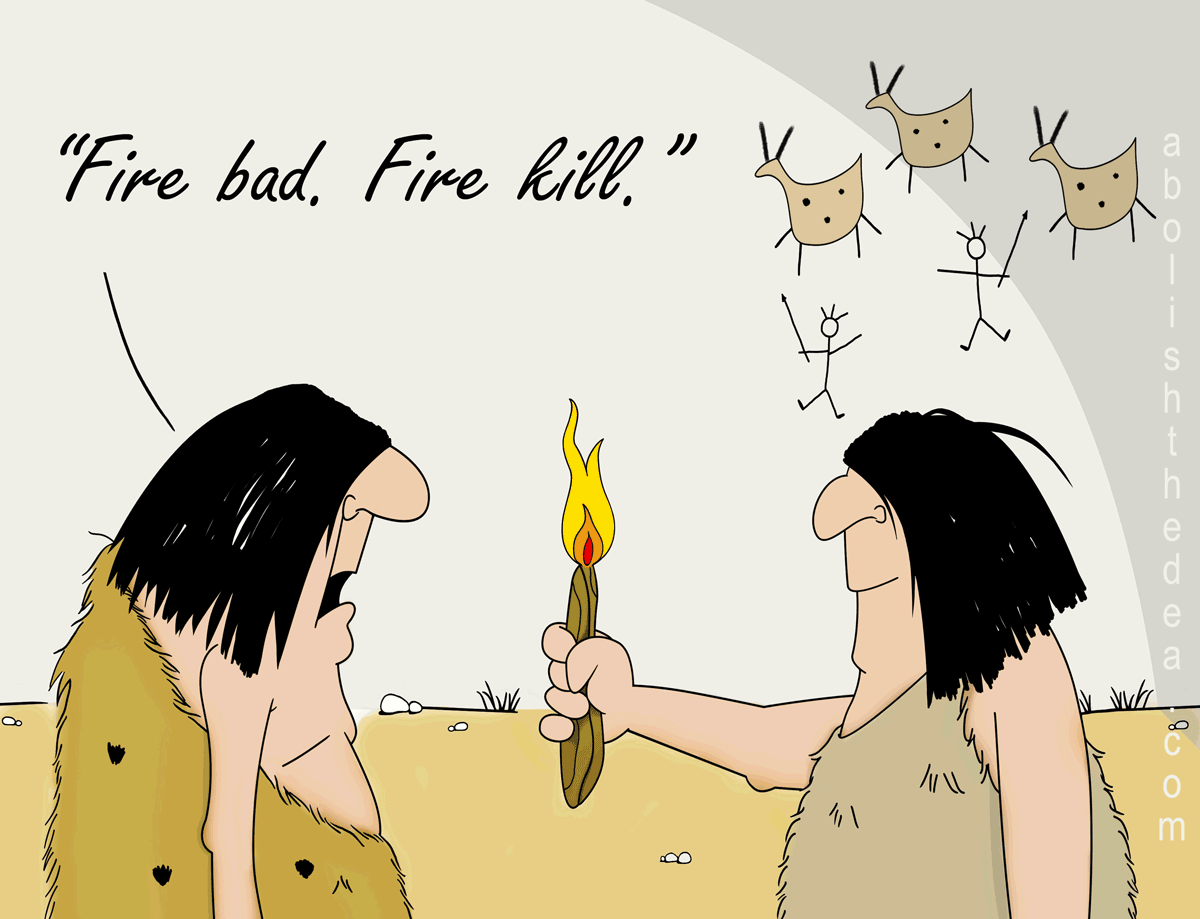
 Moreover, the smoking of opium is the least potentially addictive way to benefit from opiates. As Brereton reports, such use has as little generic addictive potential as does the nightly drinking of alcohol. And yet, as noted, Lewin sees no difference between opium use, opium abuse and opium addiction. Worse yet, he calls opium users "victims," thereby implying that drugs are evil in and of themselves, implying that we need to fight against these "drugs" as if they were actual evil-causing human beings -- hence the notion of a "War on Drugs," an appellation that only makes sense for those who have superstitiously anthropomorphized drugs as flesh-and-blood killers! This is nothing less than the superstitious attitude that first caused our ancestors to indignantly shout: "Fire bad!" It is an attempt to have us fear, to scapegoat, and to disdain dangerous substances rather than to learn how to use them as wisely as possible for the benefit of humankind.
"By this passion I mean the state which induces persons, habitually and as the result of a violent craving, to employ opium, morphia, and other substances of the same kind, without being driven thereto by a grave or incurable disease, but with the sole object of obtaining agreeable sensations in the brain, even though they know, or ought to know, that they are risking health and life as the price of this abuse."
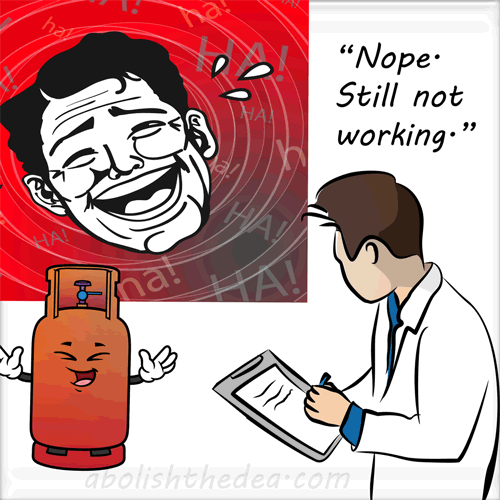 4) Why is Lewin so blind to common sense? Why does he not see the obvious fact that feeling good can actually improve one's quality of life and even create a "virtuous circle" while doing so? ANSWER: Because Lewin is a materialist and hence a behaviorist when it comes to human motivations. He is like the modern materialist by the name of Dr. Robert Glatter who told us in 2021 in Forbes magazine that he saw no obvious uses for laughing gas in fighting depression22. Why not? Because as a materialist, Glatter is completely blind to common sense about drugs. He does not care that laughing gas 23 gives me a break from pathological sobriety and allows me to look forward to life. He sees no benefits to glimpsing God him or herself with the help of such gas. If Glatter cannot account for mood improvement by referencing specific chemical pathways, then he feels free to ignore said improvement. This is the pathology of modern materialism when it comes to drugs, a diagnosis that I seem to be the first philosopher to have noted explicitly -- though this idea is certainly implicit in a few of the least brainwashed pundits on these matters, especially in the works of Thomas Szasz.
 "You will find that those acts of violence, those unfortunate cases that make one shudder to read, happening daily in this country—kicking wives, sometimes to death, beating and otherwise ill-using helpless children, violently attacking unoffending people in the streets—all are the results, more or less, of spirit drinking." --The Truth about Opium / Being a Refutation of the Fallacies of the Anti-Opium Society and a Defence of the Indo-China Opium Trade24
The most addictive drugs have a bunch of great uses, like treating pain and inspiring great literature. Prohibition causes addiction by making their use as problematic as possible and denying knowledge and choices. It's always wrong to blame drugs.
Attention People's magazine editorial staff:
Matthew Perry was a big boy who made his own decisions. He didn't die because of ketamine or because of evil rotten drug dealers, he died because of America's enforced ignorance about psychoactive drugs.
First we outlaw all drugs that could help; then we complain that some people have 'TREATMENT-RESISTANT DEPRESSION'. What? No. What they really "have" is an inability to thrive because of our idiotic drug laws.
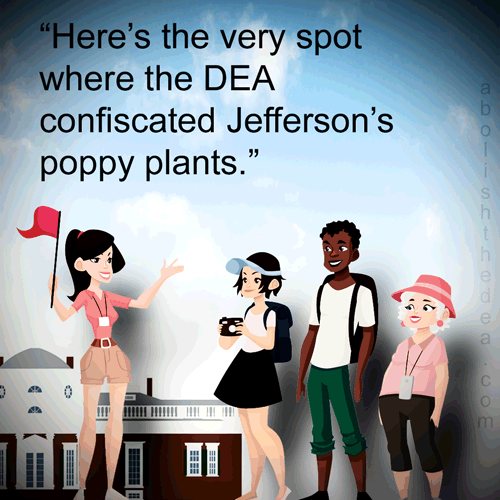
The goal of drug-law reform should be to outlaw prohibition. Anything short of that, and our basic rights will always be subject to veto by fearmongers. Outlawing prohibition would restore the Natural Law of Jefferson, which the DEA scorned in 1987 with its raid on Monticello.
After over a hundred years of prohibition, America has developed a kind of faux science in which despised substances are completely ignored. This is why Sci Am is making a new argument for shock therapy in 2023, because they ignore all the stuff that OBVIOUSLY cheers one up.
Americans heap hypocritical praise on Walt Whitman. What they don't realize is that many of us could be "Walt Whitman for a Day" with the wise use of psychoactive drugs. To the properly predisposed, morphine gives a DEEP appreciation of Mother Nature.
Despite the 50 year-long war on drugs, the global cocaine supply has grown by 400%. --Elma Mrkonjic
In "How to Change Your Mind," Michael Pollan says psychedelic legalization would endanger young people. What? Prohibition forces users to decide for themselves which mushrooms are toxic, or to risk buying contaminated product. And that's safe, Michael?
It is actually illegal to be a Ben Franklin in 21st century America. To put this another way: we outlaw far more than drugs when we outlaw mind and mood medicine.
I hated the show "The Apprentice," because it taught a cynical and hate-filled lesson about the proper way to "get ahead" in the world. I saw Trump as a menace back then, long before he started declaring that American elections were corrupt before the very first vote was cast!


 (up)
(up)