







 Thanks to the Drug War, folks are forced to become amateur chemists to profit from DMT, a drug that occurs naturally in most living things. This is the same Drug War that is killing American young people wholesale by refusing to teach safe use and regulate drug supply.
There would be little or no profiling of blacks if the Drug War did not exist.
Almost every article about suicide is shallow because it takes drug prohibition as a natural baseline, even though drug prohibition outlaws substances that could so clearly elevate mood.
Here is a typical user report about a drug that the DEA tells us has no positive uses whatsoever:
"There is a profoundness of meaning inherent in anything that moves." (reported in "Pikhal" by Alexander Shulgin)
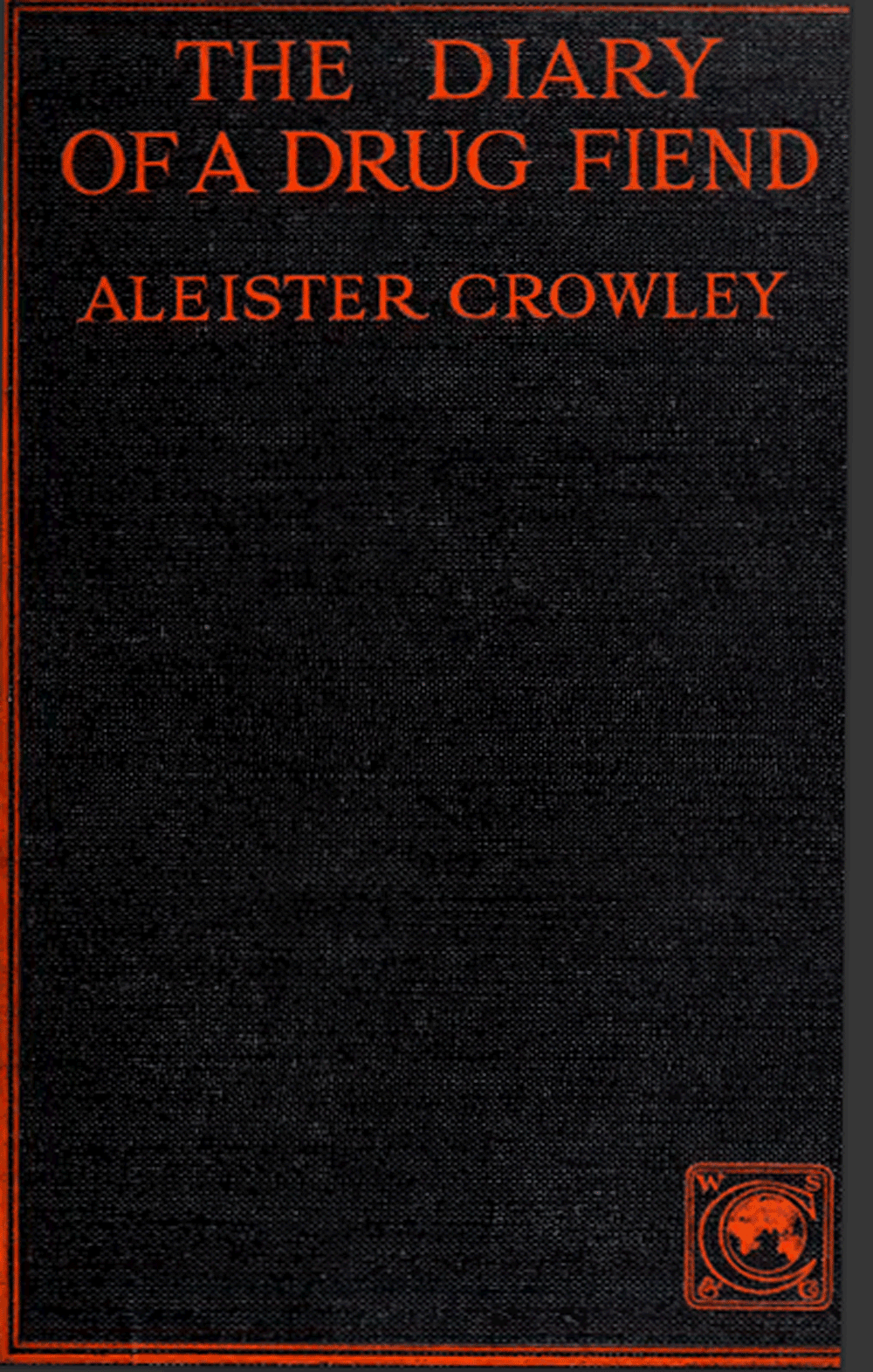
"The Legislature deliberately determines to distrust the very people who are legally responsible for the physical well-being of the nation, and puts them under the thumb of the police, as if they were potential criminals."
-- Aleister Crowley on drug laws
Just think how many ayahuasca-like godsends that we are going without because we dogmatically refuse to even look for them, out of our materialist disdain for mixing drugs with drugs.
How would we even KNOW that outlawed drugs have no positive uses? We first have to incorporate them in a sane, empathic and creative way to find that out, and the drug war makes such a sensible approach absolutely impossible.
Materialist puritans do not want to create any drug that elates. So they go on a fool's errand to find reductionist cures for "depression itself," as if the vast array of human sadness could (or should) be treated with a one-size-fits-all readjustment of brain chemicals.
No substance is bad in and of itself. Fentanyl has positive uses, at specific doses, for specific people, in specific situations. But the drug war votes substance up or down. That is hugely anti-scientific and it blocks human progress.
Let's pass a constitutional amendment to remove Kansas from the Union, and any other state where the racist politicians leverage the drug war to crack down on minorities.
Thanks to the Drug War, folks are forced to become amateur chemists to profit from DMT, a drug that occurs naturally in most living things. This is the same Drug War that is killing American young people wholesale by refusing to teach safe use and regulate drug supply.
There would be little or no profiling of blacks if the Drug War did not exist.
Almost every article about suicide is shallow because it takes drug prohibition as a natural baseline, even though drug prohibition outlaws substances that could so clearly elevate mood.
Here is a typical user report about a drug that the DEA tells us has no positive uses whatsoever:
"There is a profoundness of meaning inherent in anything that moves." (reported in "Pikhal" by Alexander Shulgin)
"The Legislature deliberately determines to distrust the very people who are legally responsible for the physical well-being of the nation, and puts them under the thumb of the police, as if they were potential criminals."
-- Aleister Crowley on drug laws
Just think how many ayahuasca-like godsends that we are going without because we dogmatically refuse to even look for them, out of our materialist disdain for mixing drugs with drugs.
How would we even KNOW that outlawed drugs have no positive uses? We first have to incorporate them in a sane, empathic and creative way to find that out, and the drug war makes such a sensible approach absolutely impossible.
Materialist puritans do not want to create any drug that elates. So they go on a fool's errand to find reductionist cures for "depression itself," as if the vast array of human sadness could (or should) be treated with a one-size-fits-all readjustment of brain chemicals.
No substance is bad in and of itself. Fentanyl has positive uses, at specific doses, for specific people, in specific situations. But the drug war votes substance up or down. That is hugely anti-scientific and it blocks human progress.
Let's pass a constitutional amendment to remove Kansas from the Union, and any other state where the racist politicians leverage the drug war to crack down on minorities.

 (up)
(up)