








 You would think that this subject has been covered extensively in our bookstores and libraries, by the way. But you would be wrong. Most non-fiction authors censor themselves when it comes to drugs and so never connect the dots between drug policy and American capitalism. Take George Tyler, for instance. In 2016, he published "Billionaire Democracy: The Hijacking of the American Political System.14" That's a very promising-sounding title in this context! And yet the reader of that book will search in vain for references to drug prohibition. Tyler fails to note that the unprecedented outlawing of the human being's birthright to Mother Nature was brought about by the billionaires' control of the media. It turns out that the billionaire's power to control our minds through propaganda on this subject is so thorough and effective that it has rendered drug prohibition invisible, even for authors like George for whom the topic is so glaringly relevant.
  I never said that getting off SSRIs should be done without supervision. If you're on Twitter for medical advice, you're in the wrong place.
Americans are starting to think that psychedelics may be an exception to the rule that drugs are evil -- but drugs have never been evil. The evil resides in how we think, talk and legislate about drugs.
Daily opium use is no more outrageous than daily antidepressant use. In fact, it's less outrageous. It's a time-honored practice and can be stopped with a little effort and ingenuity, whereas it is almost impossible to get off some antidepressants because they alter brain chemistry.
In the age of the Drug War, the Hippocratic Oath has become "First, do no good."
To oppose the Drug War philosophically, one has to highlight its connections to both materialism and the psychiatric pill mill. And that's a problem, because almost everyone is either a Drug Warrior or a materialist these days and has a vested interest in the continuation of the psychiatric pill mill.
This is why "rock stars" use drugs: not just for performance anxiety (which, BTW, is a completely UNDERSTANDABLE reason for drug use), but because they want to fully experience the music, even tho' they may be currently short on money and being hassled by creditors, etc.
Drugs like opium and cocaine should come with the following warning: "Outlawing of this product may result in inner-city gunfire, civil wars overseas, and rigged elections in which drug warriors win office by throwing minorities in jail."
Our tolerance for freedom wanes in proportion as we consider "drugs" to be demonic. This is the dark side behind the new ostensibly comic genre about Cocaine Bears and such. It shows that Americans are superstitious about drugs in a way that Neanderthals would have understood.
Over 45% of traumatic brain injuries are caused by horseback riding (ABC News). Tell your representatives to outlaw horseback riding and make it a federal offence to teach a child how to ride! Brought to you by the Partnership for a Death Free America.
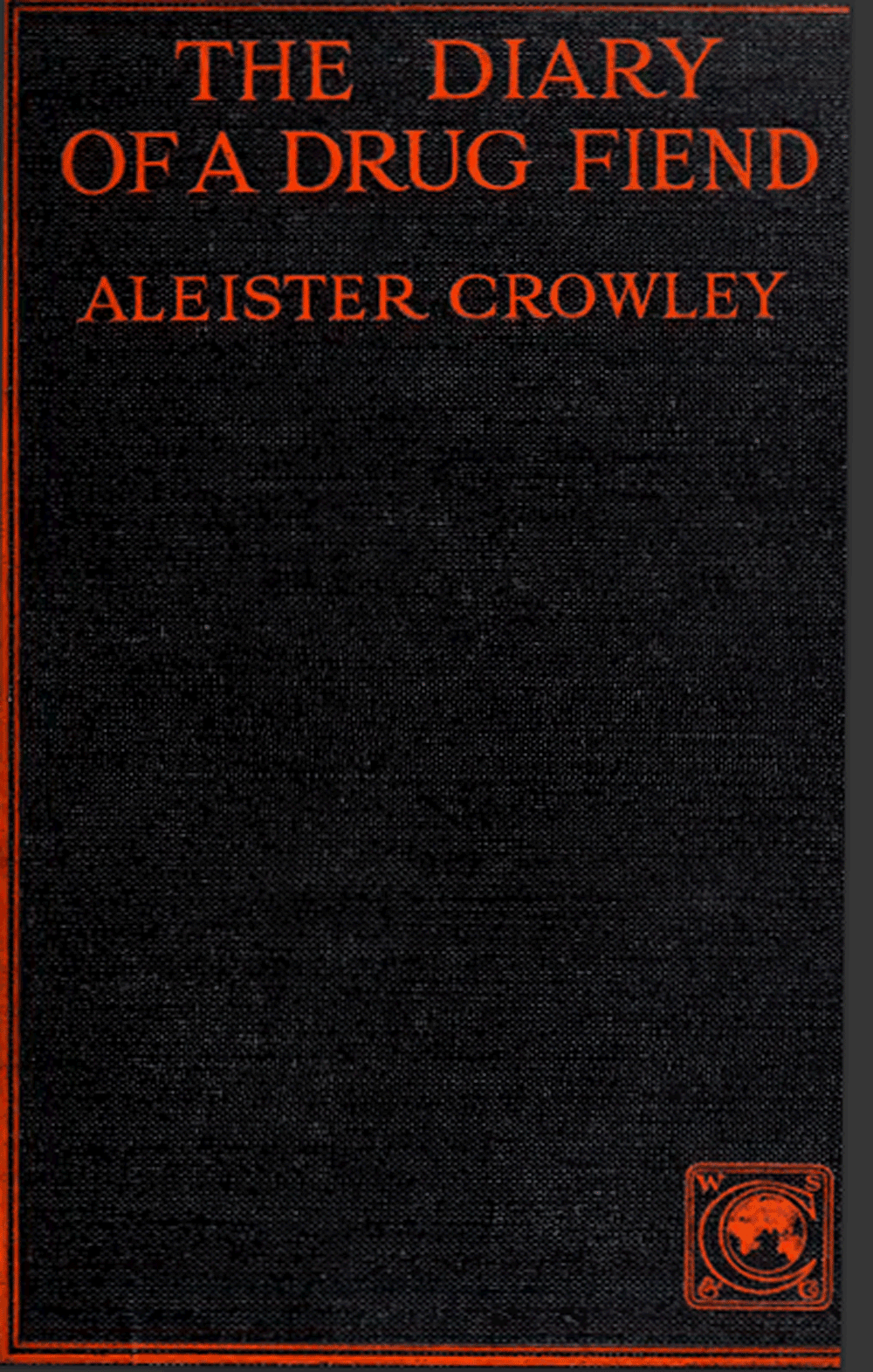
"There has been so much delirious nonsense written about drugs that sane men may well despair of seeing the light." -- Aleister Crowley, from "Essays on Intoxication"
I never said that getting off SSRIs should be done without supervision. If you're on Twitter for medical advice, you're in the wrong place.
Americans are starting to think that psychedelics may be an exception to the rule that drugs are evil -- but drugs have never been evil. The evil resides in how we think, talk and legislate about drugs.
Daily opium use is no more outrageous than daily antidepressant use. In fact, it's less outrageous. It's a time-honored practice and can be stopped with a little effort and ingenuity, whereas it is almost impossible to get off some antidepressants because they alter brain chemistry.
In the age of the Drug War, the Hippocratic Oath has become "First, do no good."
To oppose the Drug War philosophically, one has to highlight its connections to both materialism and the psychiatric pill mill. And that's a problem, because almost everyone is either a Drug Warrior or a materialist these days and has a vested interest in the continuation of the psychiatric pill mill.
This is why "rock stars" use drugs: not just for performance anxiety (which, BTW, is a completely UNDERSTANDABLE reason for drug use), but because they want to fully experience the music, even tho' they may be currently short on money and being hassled by creditors, etc.
Drugs like opium and cocaine should come with the following warning: "Outlawing of this product may result in inner-city gunfire, civil wars overseas, and rigged elections in which drug warriors win office by throwing minorities in jail."
Our tolerance for freedom wanes in proportion as we consider "drugs" to be demonic. This is the dark side behind the new ostensibly comic genre about Cocaine Bears and such. It shows that Americans are superstitious about drugs in a way that Neanderthals would have understood.
Over 45% of traumatic brain injuries are caused by horseback riding (ABC News). Tell your representatives to outlaw horseback riding and make it a federal offence to teach a child how to ride! Brought to you by the Partnership for a Death Free America.
"There has been so much delirious nonsense written about drugs that sane men may well despair of seeing the light." -- Aleister Crowley, from "Essays on Intoxication"


 (up)
(up)