








"It is said that the Government must safeguard the health of the community. And the moment that is said, there ceases to be the shadow of a difference between beer and tea. People can certainly spoil their health with tea or with tobacco or with twenty other things. And there is no escape for the hygienic logician except to restrain and regulate them all. If he is to control the health of the community, he must necessarily control all the habits of all the citizens....6"
If I should die of some unusual concatenation of circumstances, I want my survivors to pass "Brian's Law," a law stating that we will no longer pass laws based on hard cases and so needlessly fill our prisons by taking common-sense discretion out of the hands of judges.
NOW is the time for entheogens -- not (as Strassman and Pollan seem to think) at some future date when materialists have finally wrapped their minds around the potential usefulness of drugs that experientially teach compassion.
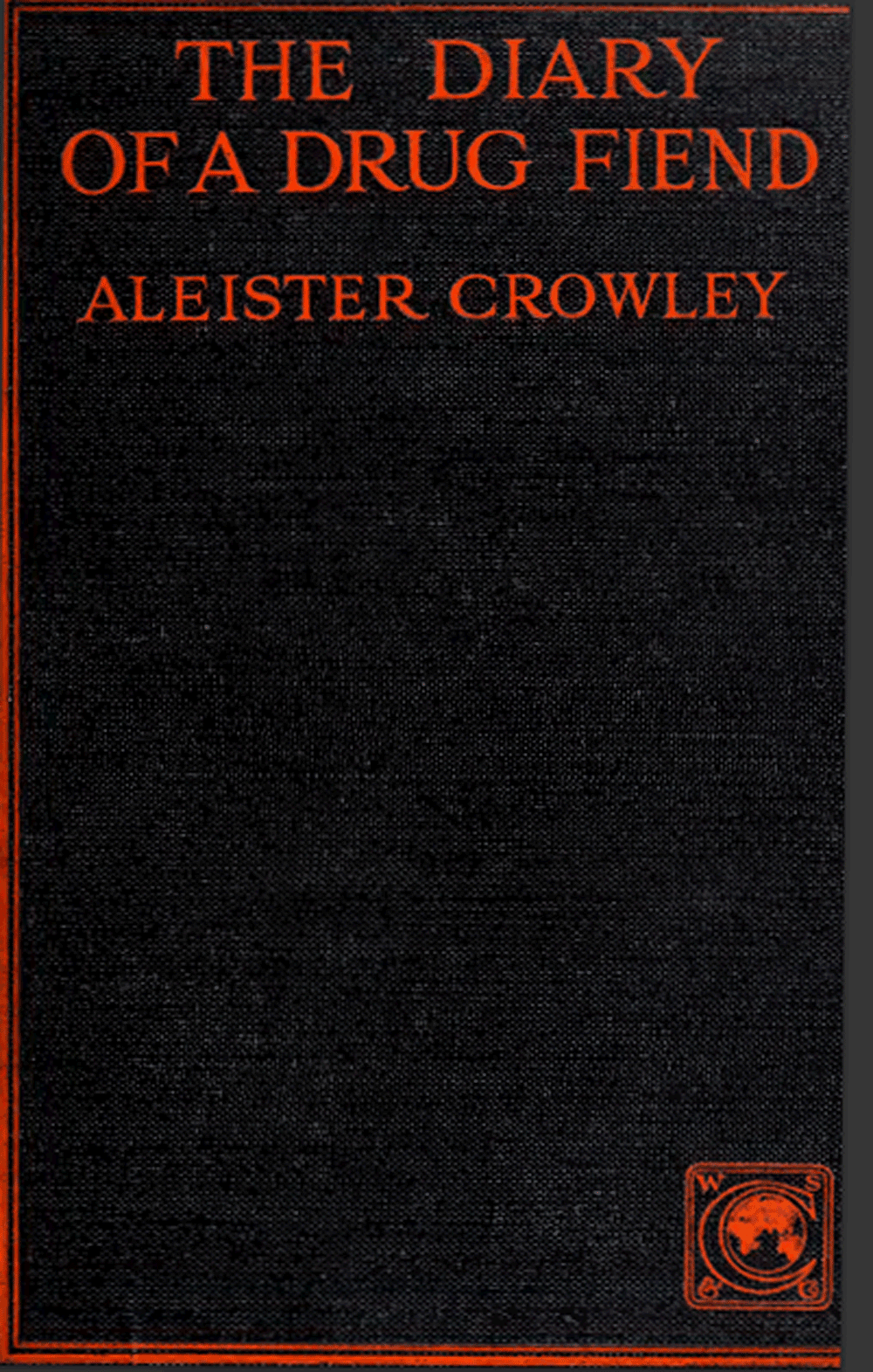
In the 19th century, author Richard Middleton wrote how poets would get together to use opium "in a series of magnificent quarterly carouses."
Despite the 50 year-long war on drugs, the global cocaine supply has grown by 400%. --Elma Mrkonjic
The best long-term treatment for OUD would be to normalize the nightly smoking of opium at home, not to addict the user to government-supplied drugs that render them impervious to the benefits of the poppy plant.
We should no more arrest drug users than we arrest people for climbing sheer rock faces or for driving a car.
Addiction thrives BECAUSE of prohibition, which limits drug choice and discourages education about psychoactive substances and how to use them wisely.
The Drug War is based on two HUGE lies: 1) that prohibition has no downsides, & 2) that drug use has no upsides.
We've created a faux psychology to support such science: that psychology says that anything that really WORKS is just a "crutch" -- as if there is, or there even should be, a "CURE" for sadness.
Saying "Fentanyl kills" is philosophically equivalent to saying "Fire bad!" Both statements are attempts to make us fear dangerous substances rather than to learn how to use them as safely as possible for human benefit.

 (up)