







 One merely has to look at any issue of Psychology Today to see articles in which the author reckons without the Drug War, in which they pretend that banned substances do not exist and so fail to incorporate any topic-related insights that might otherwise come from user reports.
Most psychoactive substance use can be judged as recreational OR medicinal OR both. The judgements are not just determined by the circumstances of use, either, but also by the biases of those doing the judging.
If NIDA covered all drugs (not just politically ostracized drugs), they'd produce articles like this: "Aspirin continues to kill hundreds." "Penicillin misuse approaching crisis levels." "More bad news about Tylenol and liver damage." "Study revives cancer fears from caffeine."
So he writes about the mindset of the deeply depressed, reifying the condition as if it were some great "type" inevitably to be encountered in humanity. No. It's the "type" to be found in a post-Christian society that has turned up its scientific nose at psychoactive medicine.
The FDA tells us that MDMA is not safe. This is the same FDA that signs off on Big Pharma drugs whose advertised side effects include death itself.
Champions of indigenous medicines claim that their medicines are not "drugs." But they miss the bigger point: that there are NO drugs in the sense that drug warriors use that term. There are no drugs that have no positive uses whatsoever.
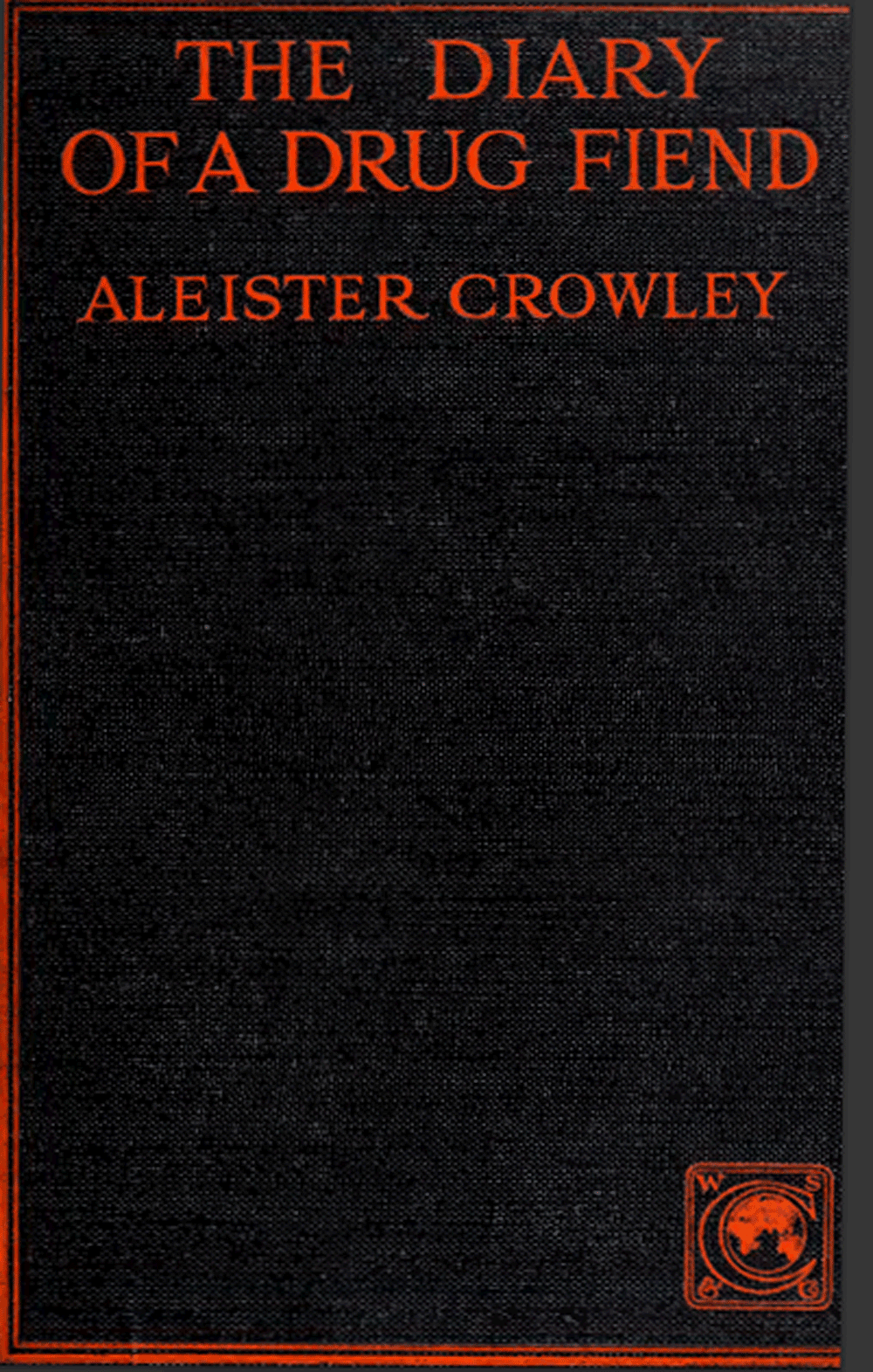
"Dope Sick"? "Prohibition Sick" is more like it. The very term "dope" connotes imperialism, racism and xenophobia, given that all tribal cultures have used "drugs" for various purposes. "Dope? Junk?" It's hard to imagine a more intolerant, dismissive and judgmental terminology.
A generally educated person meets new ideas with curiosity and fascination. An illiberally educated person meets new ideas with fear. --James B. Stockade.
Almost all talk about the supposed intractability of things like addiction are exercises in make-believe. The pundits pretend that godsend medicines do not exist, thus normalizing prohibition by implying that it does not limit progress. It's a tacit form of collaboration.
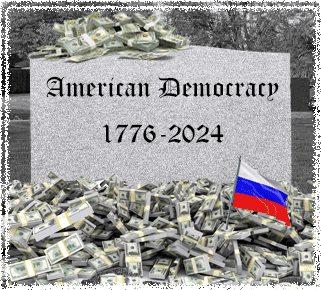
If Americans want less government, they should get rid of the Drug War Industrial Complex, rather than abandoning democracies around the world and leaving a vacuum for Russia and China to fill.


 (up)