








 Almost all talk about the supposed intractability of things like addiction are exercises in make-believe. The pundits pretend that godsend medicines do not exist, thus normalizing prohibition by implying that it does not limit progress. It's a tacit form of collaboration.
Did the Vedic People have a substance disorder because they wanted to drink enough soma to see religious realities?
I thought mycology clubs across the US would be protesting drug laws that make mushroom collecting illegal for psychoactive species. But in reality, almost no club even mentions such species. No wonder prohibition is going strong.
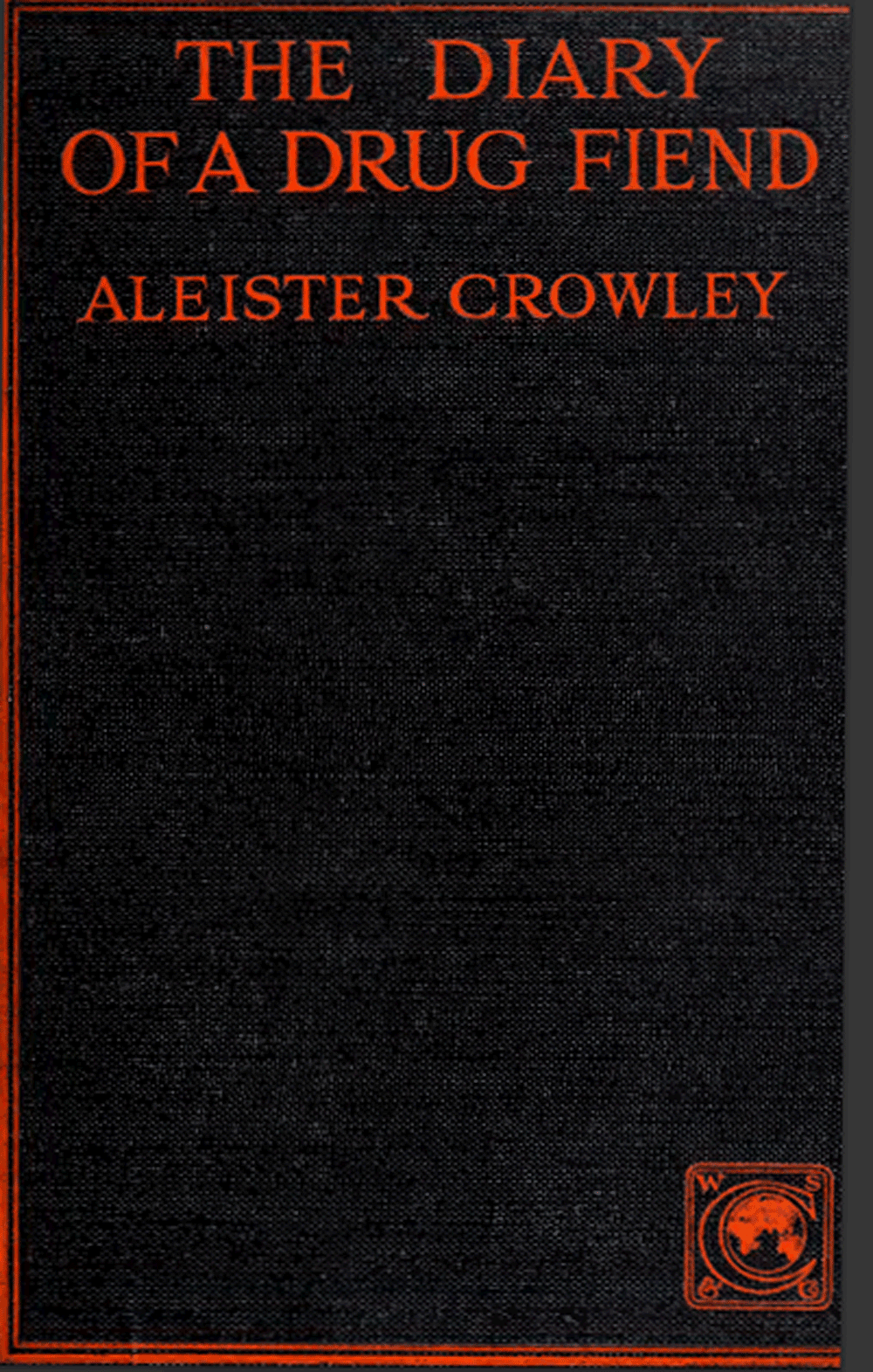
"There has been so much delirious nonsense written about drugs that sane men may well despair of seeing the light." -- Aleister Crowley, from "Essays on Intoxication"
Psychiatrists refuse to acknowledge that it is hugely disempowering to turn patients into wards of the healthcare state with dependence-causing "meds." End drug prohibition and end the psychiatric pill mill.
We don't need people to get "clean." We need people to start living a fulfilling life. The two things are different.
The American Philosophy Association should make itself useful and release a statement saying that the drug war is based on fallacious reasoning, namely, the idea that substances can be bad in themselves, without regard for why, when, where and/or how they are used.
It's "convenient" for scientists that their "REAL" cures happen to be the ones that racist politicians will allow. Scientists thus normalize prohibition by pretending that outlawed substances have no therapeutic value. It's materialism collaborating with the drug war.
We know that anticipation and mental focus and relaxation have positive benefits -- but if these traits ae facilitated by "drugs," then we pretend that these same benefits somehow are no longer "real." This is a metaphysical bias, not a logical deduction.
Most psychoactive substance use can be judged as recreational OR medicinal OR both. The judgements are not just determined by the circumstances of use, either, but also by the biases of those doing the judging.


 (up)