








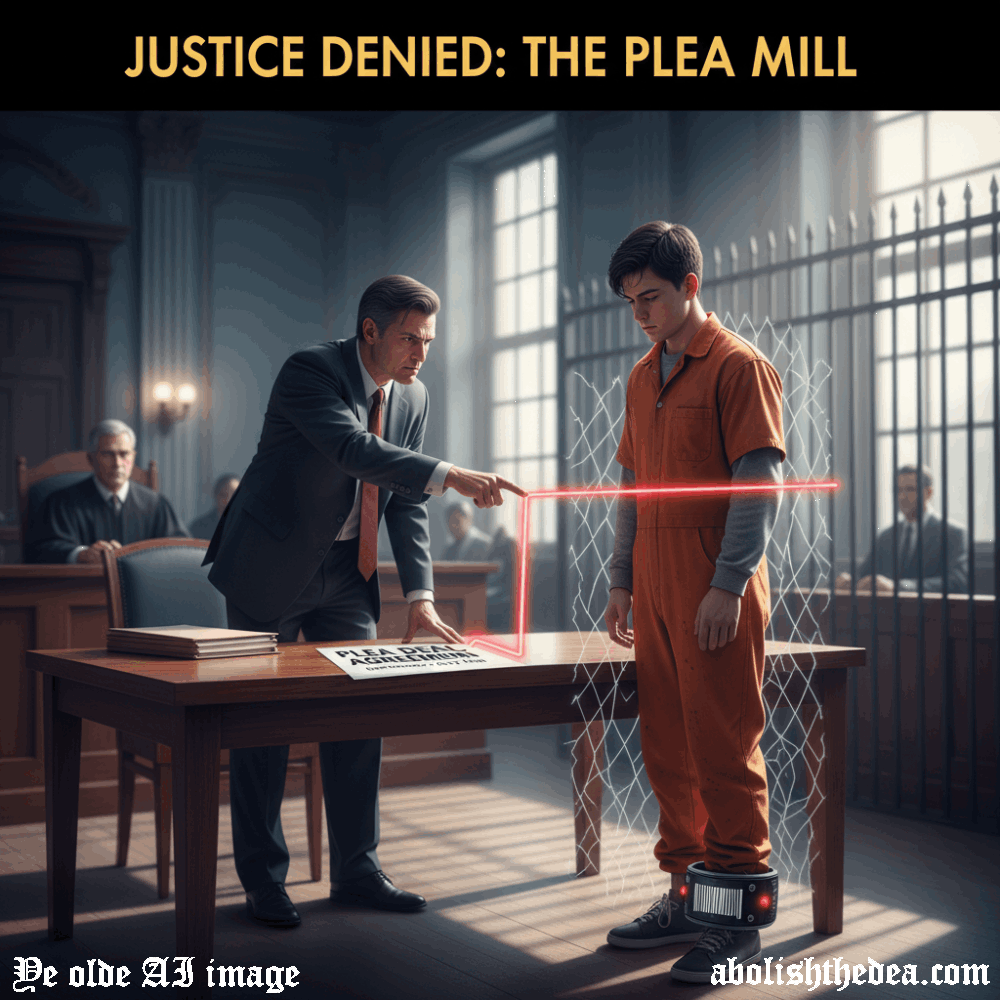
 I'm still wrapping my head around the Kafkaesque world faced by so-called drug offenders in America as detailed by Colleen Cowles in "War On Us."1 For merely possessing a few pills, Americans are being charged with felonies. Felonies! An estimated eight percent of Americans have felonies, according to a study cited by Cowles, and thirty-three percent of African Americans. 33%. This means far more than that they can be sent to prison for years. Once out, they can be denied educational loans, evicted from public housing, rendered ineligible for food stamps, and forced to submit to drug testing on demand. Even after they've completed years of harassing parole, the law seeks to prevent felons from getting on with their lives. As felons, they are barred from working in a host of jobs, which Colleen tells us include, but is by no means limited to: childcare worker, electrician, engineer, judge, nurse, manicurist, midwife, optometrist, psychologist, school-bus driver, social worker, teacher... even watchman. It makes you wonder what jobs they ARE allowed to hold: circus clown, perhaps? Ayurveda healer? Video game tester? (full-time pundit against the War on Drugs?)
"In 2018, the New York State Correctional Officers and Police Benevolent Association mounted an ad campaign against criminal justice reform in that state. The New York City Patrolmen's Benevolent Association campaigned against parole reform. The California Correctional Peace Officers Association spends approximately $8 million annually on lobbying to defeat criminal justice reform, ranging from opposition to reform of three strikes laws to prison expansion."
"First, police departments compete for federal anti drug grants with number of arrests and drug seizures strengthening their application for those grants. The grants also incentivize departments to pay for SWAT team armor and weapons, further militarizing our police forces. Secondly, the ability of police departments to pad their own budgets using civil forfeiture statutes makes drug arrests more lucrative than pursuing other types of arrests."
 Orchestras will eventually use psychedelics to train conductors. When the successful candidate directs mood-fests like Mahler's 2nd, THEY will be the stars, channeling every known -- and some unknown -- human emotions. Think Simon Rattle on... well, on psychedelics.
The drug war is a whole wrong way of looking at the world. It tells us that substances can be judged "up" or "down," which is anti-scientific and blinds us to endless beneficial uses.
The drug war is a meta-injustice. It does not just limit what you're allowed to think, it limits how and how much you are allowed to think.
How would we even KNOW that outlawed drugs have no positive uses? We first have to incorporate them in a sane, empathic and creative way to find that out, and the drug war makes such a sensible approach absolutely impossible.
Opium could be a godsend for talk therapy. It can help the user step outside themselves and view their problems from novel viewpoints.
Our tolerance for freedom wanes in proportion as we consider "drugs" to be demonic. This is the dark side behind the new ostensibly comic genre about Cocaine Bears and such. It shows that Americans are superstitious about drugs in a way that Neanderthals would have understood.
There is an absurd safety standard for "drugs." The cost/benefit analysis of the FDA & co. never takes into account the costs of NOT prescribing nor the benefits of a productive life well lived. The "users" are not considered stakeholders.
If opium were legal, then most of the nostrums peddled by drug stores today would be irrelevant. (No wonder the drug war has staying power!)
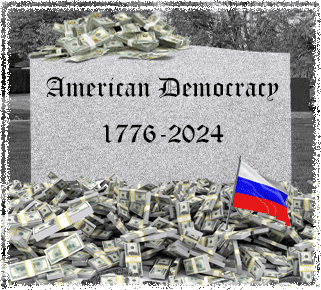
DEA Stormtroopers should be held responsible for destroying American Democracy. Abolish the American Gestapo.
"Judging" psychoactive drugs is hard. Dosage counts. Expectations count. Setting counts. In Harvey Rosenfeld's book about the Spanish-American War, a volunteer wrote of his visit to an "opium den": "I took about four puffs and that was enough. All of us were sick for a week."
Orchestras will eventually use psychedelics to train conductors. When the successful candidate directs mood-fests like Mahler's 2nd, THEY will be the stars, channeling every known -- and some unknown -- human emotions. Think Simon Rattle on... well, on psychedelics.
The drug war is a whole wrong way of looking at the world. It tells us that substances can be judged "up" or "down," which is anti-scientific and blinds us to endless beneficial uses.
The drug war is a meta-injustice. It does not just limit what you're allowed to think, it limits how and how much you are allowed to think.
How would we even KNOW that outlawed drugs have no positive uses? We first have to incorporate them in a sane, empathic and creative way to find that out, and the drug war makes such a sensible approach absolutely impossible.
Opium could be a godsend for talk therapy. It can help the user step outside themselves and view their problems from novel viewpoints.
Our tolerance for freedom wanes in proportion as we consider "drugs" to be demonic. This is the dark side behind the new ostensibly comic genre about Cocaine Bears and such. It shows that Americans are superstitious about drugs in a way that Neanderthals would have understood.
There is an absurd safety standard for "drugs." The cost/benefit analysis of the FDA & co. never takes into account the costs of NOT prescribing nor the benefits of a productive life well lived. The "users" are not considered stakeholders.
If opium were legal, then most of the nostrums peddled by drug stores today would be irrelevant. (No wonder the drug war has staying power!)
DEA Stormtroopers should be held responsible for destroying American Democracy. Abolish the American Gestapo.
"Judging" psychoactive drugs is hard. Dosage counts. Expectations count. Setting counts. In Harvey Rosenfeld's book about the Spanish-American War, a volunteer wrote of his visit to an "opium den": "I took about four puffs and that was enough. All of us were sick for a week."


 (up)
(up)