









 I just had my buttons pushed by a guy who worries that using drugs in psychiatry could lead to problems "in the longer term," (by which he apparently means drugs other than antidepressants 1, of which he himself appears to be critical). I wanted to address this fear in essay form because it seems to reflect the assumptions held uncritically by many otherwise sane-thinking individuals. Their argument goes something like this: "Yes, some drugs might help (maybe, sort of...)... Oh, but what if someone gets addicted to them! Oh, no! We must stay the course and keep drugs illegal!"
 My first response is: Why don't we worry about the problems that the Drug War is causing RIGHT NOW? Folks are receiving brain-damaging shock therapy because we refuse to treat them with substances that grow at their very feet. Folks are committing suicide 2 because they have no access to drugs that could cheer them up and give them a new view of life. Anyone who knows something about entheogens knows this is true3 4 5. To say that we could never learn to use such drugs wisely is Christian Science defeatism disguised as a concern for public health.
  My second response is: Why do you think that antidepressants have caused a problem "in the longer term"? Answer: Because antidepressants are the only game in town. Because the Drug War has outlawed all competition when it comes to mood-enhancing drugs. It's not drugs that are a problem here, it is the lack of drugs and thus the lack of choice.
 My third response is: It is not the role of scientists to do a cost/benefit analysis about psychoactive drug use. While they may report some of the potential costs of using a given drug - indeed, that's all they're allowed to study in today's ideologically driven labs: namely, the downsides of drug use -- they know nothing of the psychological costs of going without the drug nor of the psychological and/or spiritual benefits that the user hoped to find in such drug use, nor of the user's life goals nor of how the user would personally define the term "a fulfilled life." In short, they know nothing of the hopes and dreams of the would-be user6. How then can they decide that a benefit is not worth a cost when they know nothing of the benefit in question nor of the costs of going WITHOUT that proposed medicine (such as the many opportunities missed thanks to one's gloomy introspection and apathy).Getting back to that guy who pushed my buttons: when he says that drugs may cause problems in the long-term, he no doubt means that use may become habitual, that a user may end up taking the drug every day of their life.If the drug works for him or her based on their goals in life, what's wrong with daily use? One in four American women take a Big Pharma 9 10 med every day of their life11. Not only do doctors not consider this a problem, but they actually encourage their patients to "keep taking your meds."If the user develops a habit that they wish to kick, they will have a host of drugs to swap for their pharmacological nemesis once substances are relegalized. It's called "fighting drugs with drugs.12" Unfortunately, such a protocol merely makes common psychological sense - and materialist science does not believe in common sense. That's why they can't even decide if laughing gas 13 could help the depressed14. They're still waiting for microscopic proof of that assertion, since the mere laughter of real human beings tells them nothing.
Prohibition is wrong root and branch. It seeks to justify the colonial disdain for indigenous healing practices through fearmongering.
Most people think that drugs like cocaine, MDMA, LSD and amphetamines can only be used recreationally. WRONG ! This represents a very naive understanding of human psychology. We deny common sense in order to cater to the drug war orthodoxy that "drugs have no benefits."
The DEA has done everything it can to keep Americans clueless about opium and poppies. The agency is a disgrace to a country that claims to value knowledge and freedom of information.
Don't the Oregon prohibitionists realize that all the thousands of deaths from opiates is so much blood on their hands?
Outlawing opium was the ultimate government power grab. It put the government in charge of pain relief.
If the depressed patient laughs, that means nothing. Materialists have to see results under a microscopic or they will never sign off on a therapy.
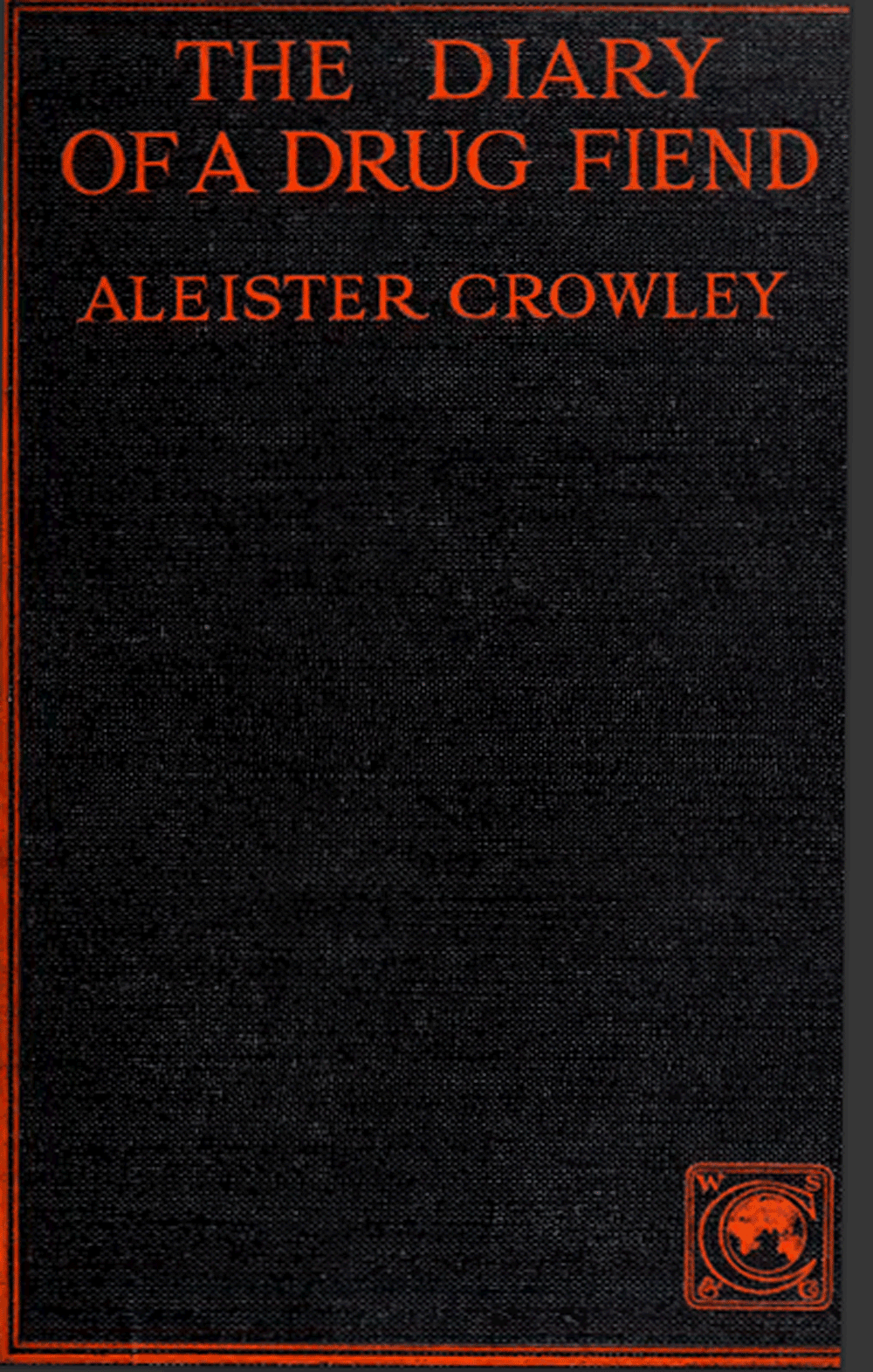
America created a whole negative morality around "drugs" starting in 1914. "Users" became fiends and were as helpless as a Christian sinner -- in need of grace from a higher power. Before prohibition, these "fiends" were habitues, no worse than Ben Franklin or Thomas Jefferson.
Self-medicating has always been the most basic of human rights, until the medical industry demonized the practice for obvious financial reasons.
Just think how much money bar owners in the Old West would have saved on restoration expenses if they had served MDMA instead of whiskey.
High suicide rates? What a poser! Gee, I wonder if it has anything to do with the fact that the US has outlawed all substances that elate and inspire???
My third response is: It is not the role of scientists to do a cost/benefit analysis about psychoactive drug use. While they may report some of the potential costs of using a given drug - indeed, that's all they're allowed to study in today's ideologically driven labs: namely, the downsides of drug use -- they know nothing of the psychological costs of going without the drug nor of the psychological and/or spiritual benefits that the user hoped to find in such drug use, nor of the user's life goals nor of how the user would personally define the term "a fulfilled life." In short, they know nothing of the hopes and dreams of the would-be user6. How then can they decide that a benefit is not worth a cost when they know nothing of the benefit in question nor of the costs of going WITHOUT that proposed medicine (such as the many opportunities missed thanks to one's gloomy introspection and apathy).Getting back to that guy who pushed my buttons: when he says that drugs may cause problems in the long-term, he no doubt means that use may become habitual, that a user may end up taking the drug every day of their life.If the drug works for him or her based on their goals in life, what's wrong with daily use? One in four American women take a Big Pharma 9 10 med every day of their life11. Not only do doctors not consider this a problem, but they actually encourage their patients to "keep taking your meds."If the user develops a habit that they wish to kick, they will have a host of drugs to swap for their pharmacological nemesis once substances are relegalized. It's called "fighting drugs with drugs.12" Unfortunately, such a protocol merely makes common psychological sense - and materialist science does not believe in common sense. That's why they can't even decide if laughing gas 13 could help the depressed14. They're still waiting for microscopic proof of that assertion, since the mere laughter of real human beings tells them nothing.
Prohibition is wrong root and branch. It seeks to justify the colonial disdain for indigenous healing practices through fearmongering.
Most people think that drugs like cocaine, MDMA, LSD and amphetamines can only be used recreationally. WRONG ! This represents a very naive understanding of human psychology. We deny common sense in order to cater to the drug war orthodoxy that "drugs have no benefits."
The DEA has done everything it can to keep Americans clueless about opium and poppies. The agency is a disgrace to a country that claims to value knowledge and freedom of information.
Don't the Oregon prohibitionists realize that all the thousands of deaths from opiates is so much blood on their hands?
Outlawing opium was the ultimate government power grab. It put the government in charge of pain relief.
If the depressed patient laughs, that means nothing. Materialists have to see results under a microscopic or they will never sign off on a therapy.
America created a whole negative morality around "drugs" starting in 1914. "Users" became fiends and were as helpless as a Christian sinner -- in need of grace from a higher power. Before prohibition, these "fiends" were habitues, no worse than Ben Franklin or Thomas Jefferson.
Self-medicating has always been the most basic of human rights, until the medical industry demonized the practice for obvious financial reasons.
Just think how much money bar owners in the Old West would have saved on restoration expenses if they had served MDMA instead of whiskey.
High suicide rates? What a poser! Gee, I wonder if it has anything to do with the fact that the US has outlawed all substances that elate and inspire???


 (up)
(up)