









 Not only do drugs exist that could help Claire to die peaceably at home without permission of her government or doctors, but there are also drugs that could make her want to live -- although she has been brainwashed since childhood by Drug War censorship into believing as a matter of faith that such drugs do not exist. Consider, for just one example, these user reports of the phenethylamines created by Alexander Shulgin in the early 1990s2:
I felt that the experience continued for many days, and I feel that it is one of the most profound and deep learning experiences I have had.
Excellent feelings, tremendous opening of insight and understanding, a real awakening
I acknowledged a rapture in the very act of breathing.
"One conclusion was forced upon my mind at that time, and my impression of its truth has ever since remained unshaken. It is that our normal waking consciousness, rational consciousness as we call it, is but one special type of consciousness, whilst all about it, parted from it by the filmiest of screens, there lie potential forms of consciousness entirely different. " --William James, The Varieties of Religious Experience: A Study In Human Nature3

 To repeat, then, modern psychology reckons without the Drug War and this has had disastrous results. I know this all too well, as this oversight has helped to justify draconian drug laws that have deprived me for a lifetime now of the godsend mood medicine that grows at my very feet.
"No one who has not lived for years in a DRUG WAR SOCIETY can possibly conceive how difficult it is to escape the dread consequences of a regime's calculated and incessant propaganda."
By reading "Drug Warriors and Their Prey," I begin to understand why I encounter a wall of silence when I write to authors and professors on the subject of "drugs." The mere fact that the drug war inspires such self-censorship should be grounds for its immediate termination.
And we should not insist it's a problem if someone decides to use opium, for instance, daily. We certainly don't blame "patients" for using antidepressants daily. And getting off opium is easier than getting off many antidepressants -- see Julia Holland.
Prohibition turned habituation into addiction by creating a wide variety of problems for users, including potential arrest, tainted or absent drug supply, and extreme stigmatization.
So much harm could be reduced by shunting people off onto safer alternative drugs -- but they're all outlawed! Reducing harm should ultimately mean ending this prohibition that denies us endless godsends, like the phenethylamines of Alexander Shulgin.
Drugs like opium and cocaine should come with the following warning: "Outlawing of this product may result in inner-city gunfire, civil wars overseas, and rigged elections in which drug warriors win office by throwing minorities in jail."
"Abuse" is a funny term because it implies that there's a right way to use "drugs," which is something that the drug warriors deny. To the contrary, they make the anti-scientific claim that "drugs" are not good for anybody for any reason at any dose.
There are plenty of "prima facie" reasons for believing that we could eliminate most problems with drug and alcohol withdrawal by chemically aided sleep cures combined with using "drugs" to fight "drugs." But drug warriors don't want a fix, they WANT drug use to be a problem.
I knew all along that Measure 110 in Oregon was going to be blamed for the problems that the drug war causes. Drug warriors never take responsibility, despite all the blood that they have on their hands.
Someone should stand outside Jefferson's estate and hand out leaflets describing the DEA's 1987 raid on Monticello to confiscate poppy plants. That raid was against everything Jefferson stood for. The TJ Foundation DISHONORED JEFFERSON and their visitors should know that!
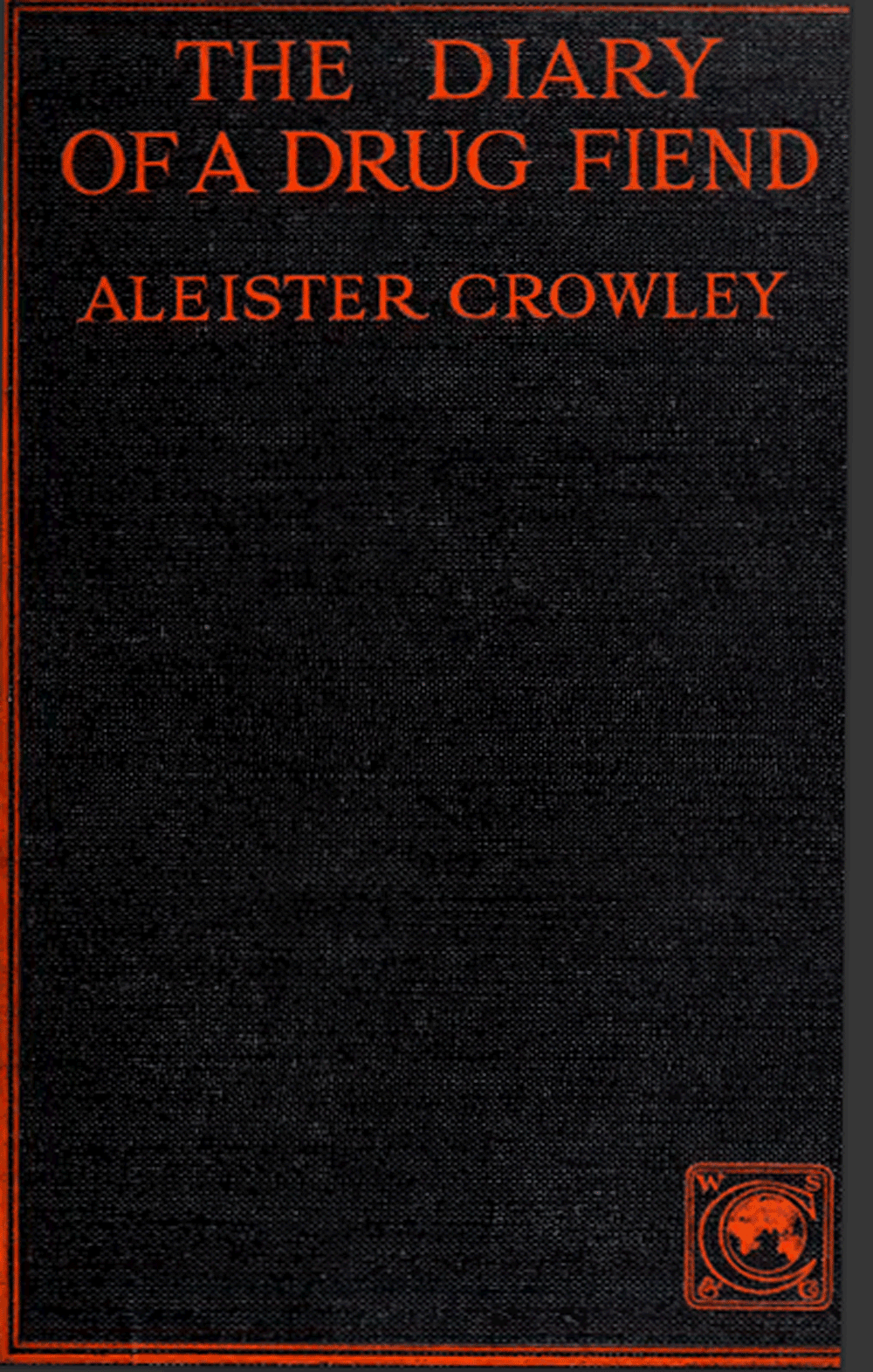
"The Legislature deliberately determines to distrust the very people who are legally responsible for the physical well-being of the nation, and puts them under the thumb of the police, as if they were potential criminals."
-- Aleister Crowley on drug laws


 (up)
(up)