








 I just asked New York Attorney General Letitia James how much she was getting paid to play Whack-a-Mole. I pointed out that the drug war created the gangs just as liquor prohibition created the Mafia.
In an article about Mazatec mushroom use, the author says: "Mushrooms should not be considered a drug." True. But then NOTHING should be considered a drug: every substance has potential good uses.
The book "Plants of the Gods" is full of plants and fungi that could help addicts and alcoholics, sometimes in the plant's existing form, sometimes in combinations, sometimes via extracting alkaloids, etc. But drug warriors need addiction to sell their prohibition ideology.
Being a lifetime patient is not the issue: that could make perfect sense in certain cases. But if I am to be "using" for life, I demand the drug of MY CHOICE, not that of Big Pharma and mainstream psychiatry, who are dogmatically deaf to the benefits of hated substances.
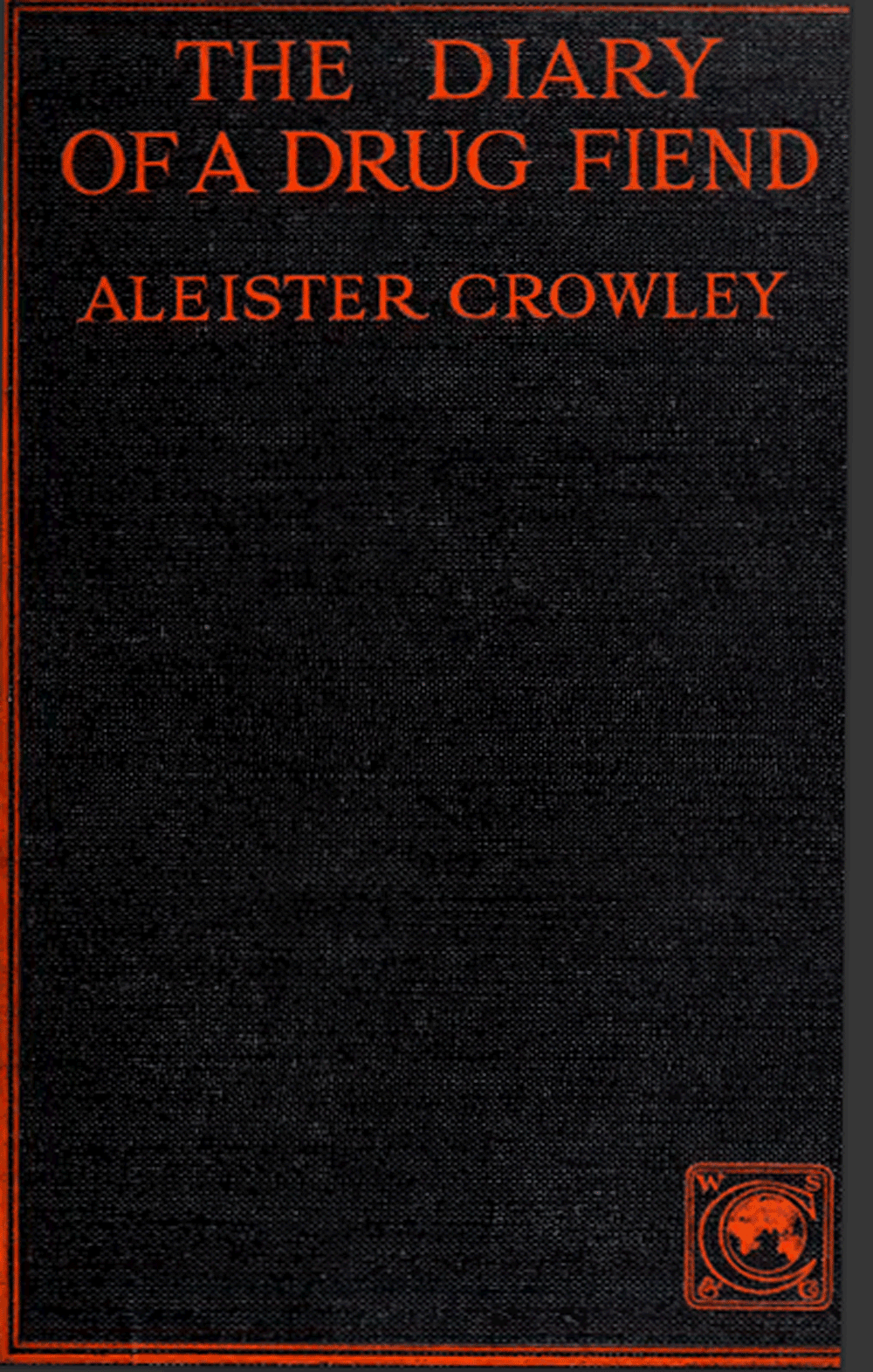
"There has been so much delirious nonsense written about drugs that sane men may well despair of seeing the light." -- Aleister Crowley, from "Essays on Intoxication"
The DEA outlawed MDMA in 1985, thereby depriving soldiers of a godsend treatment for PTSD. Apparently, the DEA staff slept well at night in the early 2000s as American soldiers were having their lives destroyed by IEDs.
All of our problems with opioids and opiates could have been avoided had the busybody Chicken Littles in America left well enough alone and let folks continue to smoke regulated opium peaceably in their own homes.
The war on drugs has destroyed America's faith in the power of education. In fact, it has made us think of education as WRONG in and of itself. It has made us prefer censorship and fear-filled ignorance to education!
"They have called thee Soma-lover: here is the pressed juice. Drink thereof for rapture." -Rig Veda
(There would be no Hindu religion today had the drug war been in effect in the Punjab 3,500 years ago.)
Conservatives say they're against Big Government -- but they let bureaucrats decide what medicines they can use.
I just asked New York Attorney General Letitia James how much she was getting paid to play Whack-a-Mole. I pointed out that the drug war created the gangs just as liquor prohibition created the Mafia.
In an article about Mazatec mushroom use, the author says: "Mushrooms should not be considered a drug." True. But then NOTHING should be considered a drug: every substance has potential good uses.
The book "Plants of the Gods" is full of plants and fungi that could help addicts and alcoholics, sometimes in the plant's existing form, sometimes in combinations, sometimes via extracting alkaloids, etc. But drug warriors need addiction to sell their prohibition ideology.
Being a lifetime patient is not the issue: that could make perfect sense in certain cases. But if I am to be "using" for life, I demand the drug of MY CHOICE, not that of Big Pharma and mainstream psychiatry, who are dogmatically deaf to the benefits of hated substances.
"There has been so much delirious nonsense written about drugs that sane men may well despair of seeing the light." -- Aleister Crowley, from "Essays on Intoxication"
The DEA outlawed MDMA in 1985, thereby depriving soldiers of a godsend treatment for PTSD. Apparently, the DEA staff slept well at night in the early 2000s as American soldiers were having their lives destroyed by IEDs.
All of our problems with opioids and opiates could have been avoided had the busybody Chicken Littles in America left well enough alone and let folks continue to smoke regulated opium peaceably in their own homes.
The war on drugs has destroyed America's faith in the power of education. In fact, it has made us think of education as WRONG in and of itself. It has made us prefer censorship and fear-filled ignorance to education!
"They have called thee Soma-lover: here is the pressed juice. Drink thereof for rapture." -Rig Veda
(There would be no Hindu religion today had the drug war been in effect in the Punjab 3,500 years ago.)
Conservatives say they're against Big Government -- but they let bureaucrats decide what medicines they can use.


 (up)
(up)