








 I can't imagine Allen Ginsberg writing "Howl!" while under the influence of mood-damping drugs like Inderal and Prozac -- but then maybe that's the point: the powers-that-be do not want poets writing poems like "Howl!"
Laughing gas inspired the philosophy of William James. Outlawing N20 is outlawing academic freedom. Laughing gas should be available for the suicidal. Drug prohibition is not a victimless crime.
Some outlawed drugs grow new neurons in the brain. To refuse to use them makes us complicit in the dementia of our loved ones!
Almost all talk about the supposed intractability of things like addiction are exercises in make-believe. The pundits pretend that godsend medicines do not exist, thus normalizing prohibition by implying that it does not limit progress. It's a tacit form of collaboration.
In "The Book of the Damned," Charles Fort shows how science damns (i.e. excludes) facts that it cannot assimilate into a system of knowledge. Fort could never have guessed, however, how thoroughly science would eventually "damn" all positive facts about "drugs."
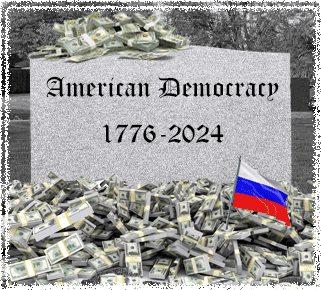
The drug war is a slow-motion coup against democracy.
State-assisted suicide for the depressed is murder in a world in which the state outlaws all substances that could make the depressed wish to live.
It is a violation of religious liberty to outlaw substances that inspire and elate. The Hindu religion was inspired by just such a drug.
"When two men who have been in an aggressive mood toward each other take part in the ritual, one is able to say to the other, 'Come, let us drink, for there is something between us.' " re: the Mayan use of the balche drink in Encyc of Psych Plants, by Ratsch & Hofmann
For most drugs, dependency is a bug. For Big Pharma antidepressants, it is a feature.

 (up)