








 Of course, there would be no issue if medicine were legal. Instead, we have the truly weird situation in which I can be arrested for trying to get my head straight. If this superstitious demonizing and scapegoating philosophy is ever given the boot that it deserves, future generations will be astonished when they look back at the cruel non-sequitur of the Drug War, which severely punishes those who seek to clear their minds and access the spiritual worlds that have been contacted time out of mind by tribal peoples. Apparently it was not enough that we wiped them out physically; now we have to demonize and wipe out the pro-nature mindset that they represented.
Had the DEA been active in the Punjab and 1500 BCE, there would be no Hindu religion today.
What is the end game of the drug warrior? A world in which no one wants drugs? That's not science. It's the drug-hating religion of Christian Science. You know, the American religion that outsources its Inquisition to drug-testing labs.
The goal of rehab should not be to get people off of all drugs, it should be to teach them to be in control of their drug use and to use drugs wisely for beneficial purposes.
Heroin versus Antidepressants https://abolishthedea.com/heroin_versus_antidepressants.php
In Mexico, the same substance can be considered a "drug" or a "med," depending on where you are in the country. It's just another absurd result of the absurd policy of drug prohibition.
Prohibitionists have blood on their hands. People do not naturally die in the tens of thousands from opioid use, notwithstanding the lies of 19th-century missionaries in China. It takes bad drug policy to accomplish that.
Musk and co. want to make us more robot-like with AI, when they should be trying to make us more human-like with sacred medicine. Only humans can gain creativity from plant medicine. All AI can do is harvest the knowledge that eventually results from that creativity.
The drug war is a scare campaign to teach us to distrust mother nature and to rely on pharmaceuticals instead.
There is something wrong with a country that thinks it can decide what human beings around the world are allowed to ingest.
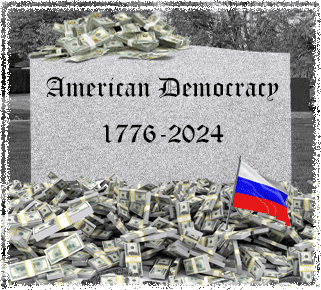
How else will they scare us enough to convince us to give up all our freedoms for the purpose of fighting horrible awful evil DRUGS? DRUGS is the sledgehammer with which they are destroying American democracy.
Of course, there would be no issue if medicine were legal. Instead, we have the truly weird situation in which I can be arrested for trying to get my head straight. If this superstitious demonizing and scapegoating philosophy is ever given the boot that it deserves, future generations will be astonished when they look back at the cruel non-sequitur of the Drug War, which severely punishes those who seek to clear their minds and access the spiritual worlds that have been contacted time out of mind by tribal peoples. Apparently it was not enough that we wiped them out physically; now we have to demonize and wipe out the pro-nature mindset that they represented.
Had the DEA been active in the Punjab and 1500 BCE, there would be no Hindu religion today.
What is the end game of the drug warrior? A world in which no one wants drugs? That's not science. It's the drug-hating religion of Christian Science. You know, the American religion that outsources its Inquisition to drug-testing labs.
The goal of rehab should not be to get people off of all drugs, it should be to teach them to be in control of their drug use and to use drugs wisely for beneficial purposes.
Heroin versus Antidepressants https://abolishthedea.com/heroin_versus_antidepressants.php
In Mexico, the same substance can be considered a "drug" or a "med," depending on where you are in the country. It's just another absurd result of the absurd policy of drug prohibition.
Prohibitionists have blood on their hands. People do not naturally die in the tens of thousands from opioid use, notwithstanding the lies of 19th-century missionaries in China. It takes bad drug policy to accomplish that.
Musk and co. want to make us more robot-like with AI, when they should be trying to make us more human-like with sacred medicine. Only humans can gain creativity from plant medicine. All AI can do is harvest the knowledge that eventually results from that creativity.
The drug war is a scare campaign to teach us to distrust mother nature and to rely on pharmaceuticals instead.
There is something wrong with a country that thinks it can decide what human beings around the world are allowed to ingest.
How else will they scare us enough to convince us to give up all our freedoms for the purpose of fighting horrible awful evil DRUGS? DRUGS is the sledgehammer with which they are destroying American democracy.


 (up)
(up)