








 It wasn't until western prudery and racism came along that we started to judge people by the substances that they chose to ingest, rather than by their actual behavior in the world.
Two weeks ago, a guy told me that most psychiatrists believe ECT is great. I thought he was joking! I've since come to realize that he was telling the truth: that is just how screwed up the healthcare system is today thanks to drug war ideology and purblind materialism.
My impression has been that the use of cocaine over a long time can bring about lasting improvement..." --Sigmund Freud, On Cocaine, 1884
For most drugs, dependency is a bug. For Big Pharma antidepressants, it is a feature.
Drug Prohibition is a crime against humanity. It outlaws our right to take care of our own health.
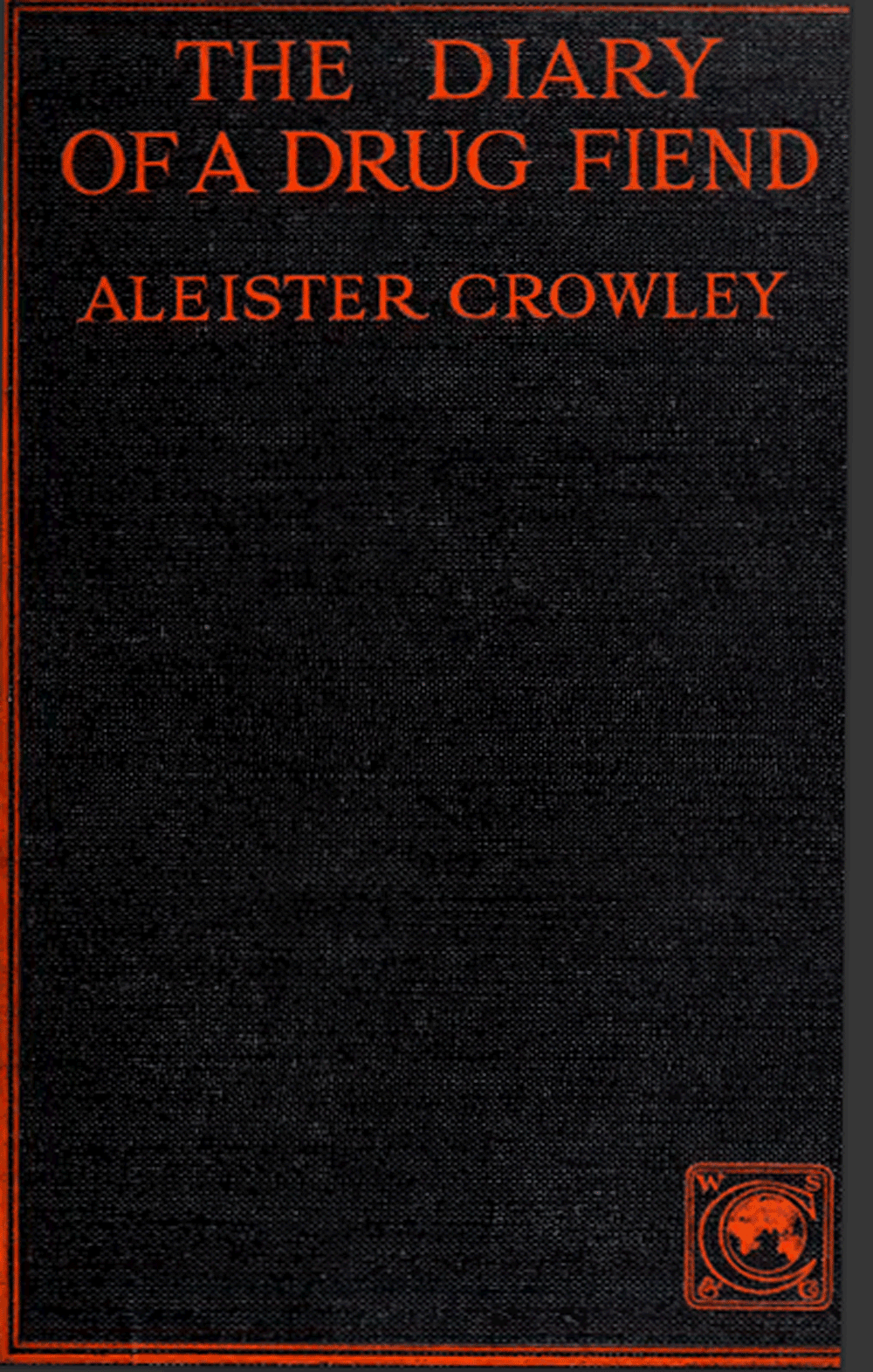
"The Legislature deliberately determines to distrust the very people who are legally responsible for the physical well-being of the nation, and puts them under the thumb of the police, as if they were potential criminals."
-- Aleister Crowley on drug laws
Psychiatrists keep flipping the script. When it became clear that SSRIs caused dependence, instead of apologizing, they told us we need to keep taking our meds. Now they even claim that criticizing SSRIs is wrong. This is anti-intellectual madness.
Smart people in America are like Don Quixote. They are sane on every subject on earth, but mention the subject of "drugs," and they start talking politically correct blather.
My consciousness, my choice.
Science knows nothing of the human spirit and of the hopes and dreams of humankind. Science cannot tell us whether a given drug risk is worthwhile given the human need for creativity and passion in their life. Science has no expertise in making such philosophical judgements.
It wasn't until western prudery and racism came along that we started to judge people by the substances that they chose to ingest, rather than by their actual behavior in the world.
Two weeks ago, a guy told me that most psychiatrists believe ECT is great. I thought he was joking! I've since come to realize that he was telling the truth: that is just how screwed up the healthcare system is today thanks to drug war ideology and purblind materialism.
My impression has been that the use of cocaine over a long time can bring about lasting improvement..." --Sigmund Freud, On Cocaine, 1884
For most drugs, dependency is a bug. For Big Pharma antidepressants, it is a feature.
Drug Prohibition is a crime against humanity. It outlaws our right to take care of our own health.
"The Legislature deliberately determines to distrust the very people who are legally responsible for the physical well-being of the nation, and puts them under the thumb of the police, as if they were potential criminals."
-- Aleister Crowley on drug laws
Psychiatrists keep flipping the script. When it became clear that SSRIs caused dependence, instead of apologizing, they told us we need to keep taking our meds. Now they even claim that criticizing SSRIs is wrong. This is anti-intellectual madness.
Smart people in America are like Don Quixote. They are sane on every subject on earth, but mention the subject of "drugs," and they start talking politically correct blather.
My consciousness, my choice.
Science knows nothing of the human spirit and of the hopes and dreams of humankind. Science cannot tell us whether a given drug risk is worthwhile given the human need for creativity and passion in their life. Science has no expertise in making such philosophical judgements.


 (up)
(up)