









"I acknowledged a rapture in the very act of breathing."
"I experienced the desire to laugh hysterically at what I could only describe as the completely ridiculous state of the entire world."
"Excellent feelings, tremendous opening of insight and understanding, a real awakening."
"I feel that it is one of the most profound and deep learning experiences I have had."
Scientists are responsible for endless incarcerations in America. Why? Because they fail to denounce the DEA lie that psychoactive substances have no positive medical uses. This is so obviously wrong that only an academic in an Ivory Tower could believe it.
Who would have thought back in 1776 that Americans would eventually have to petition their government for the right to even possess a damn mushroom. The Drug War has destroyed America.
There's a run of addiction movies out there, like "Craving!" wherein they actually personify addiction as a screaming skeleton. Funny, drug warriors never call for a Manhattan Project to end addiction. Addiction is their golden goose.
That's the problem with prohibition. It is not ultimately a health question but a question about priorities and sensibilities -- and those topics are open to lively debate and should not be the province of science, especially when natural law itself says mother nature is ours.
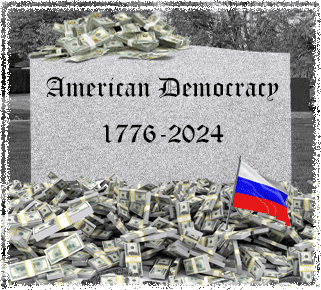
DEA Stormtroopers should be held responsible for destroying American Democracy. Abolish the American Gestapo.
We should no more arrest drug users than we arrest people for climbing sheer rock faces or for driving a car.
The Drug War is a crime against humanity.
The worst form of government is not communism, socialism or even unbridled capitalism. The worst form of government is a Christian Science Theocracy, in which the government controls how much you are allowed to think and feel in life.
And so, by ignoring all "up" sides to drugs, the DEA points to potential addiction as a knock-down argument for their prohibition. This is the logic of children (and uneducated children at that). It is a cost-benefit analysis that ignores all benefits.
The massive use of plea deals lets prosecutors threaten drug suspects into giving up their rights to a fair trial.


 (up)
(up)