










 There is something wrong with a country that thinks it can decide what human beings around the world are allowed to ingest.
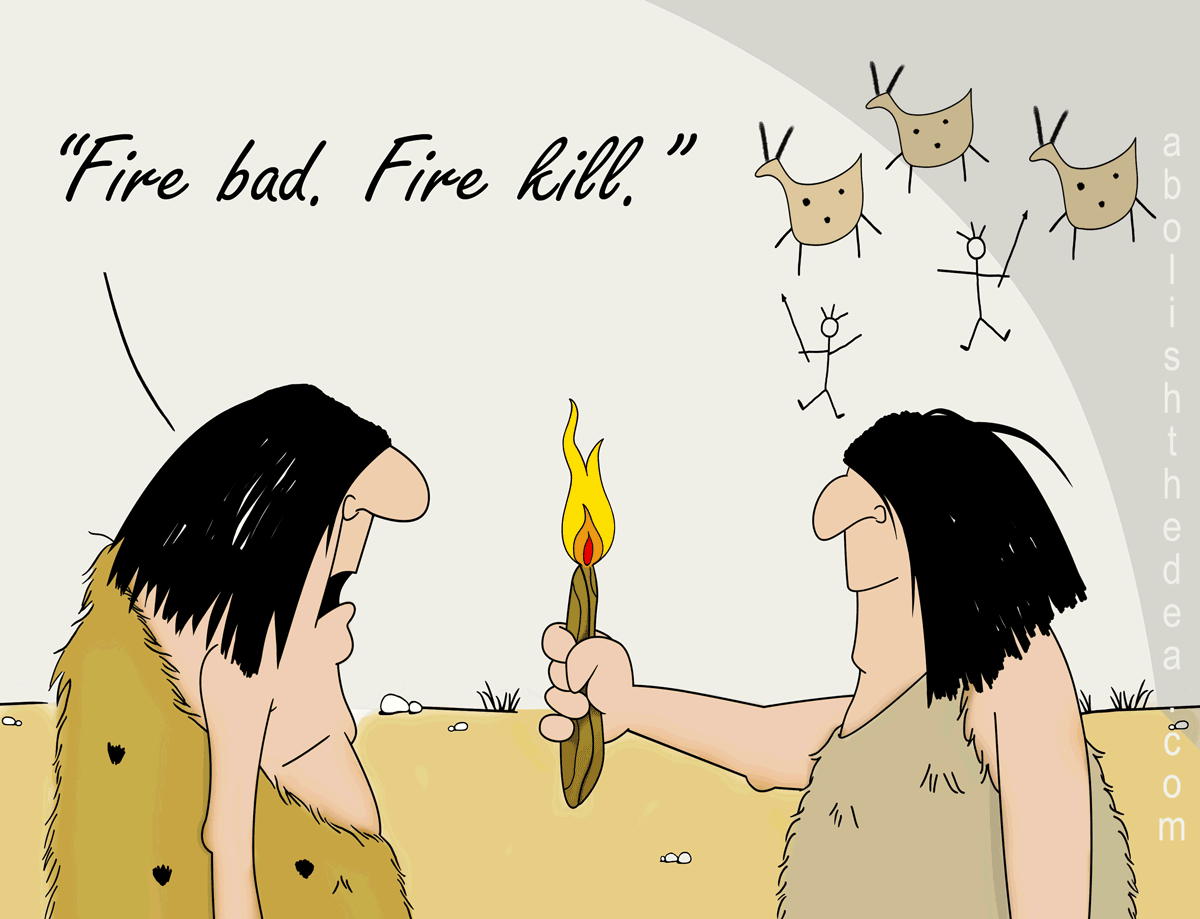
Our tolerance for freedom wanes in proportion as we consider "drugs" to be demonic. This is the dark side behind the new ostensibly comic genre about Cocaine Bears and such. It shows that Americans are superstitious about drugs in a way that Neanderthals would have understood.
Some outlawed drugs grow new neurons in the brain. To refuse to use them makes us complicit in the dementia of our loved ones!
There are no recreational drugs. Even laughing gas has rational uses because it gives us a break from morbid introspection. There are recreational USES of drugs, but the term "recreational" is often used to express our disdain for users who go outside the healthcare system.
This is why we would rather have a depressed person commit suicide than to use "drugs" -- because drugs, after all, are not dealing with the "real" problem. The patient may SAY that drugs make them feel good, but we need microscopes to find out if they REALLY feel good.
How would we even KNOW that outlawed drugs have no positive uses? We first have to incorporate them in a sane, empathic and creative way to find that out, and the drug war makes such a sensible approach absolutely impossible.
Mayo Clinic is peddling junk. They are still promoting Venlafaxine, a drug that is harder to kick than heroin.
It's because of such reductive pseudoscience that America will allow us to shock the brains of the depressed but won't allow us to let them use the plant medicines that grow at their feet.
There's a run of addiction movies out there, like "Craving!" wherein they actually personify addiction as a screaming skeleton. Funny, drug warriors never call for a Manhattan Project to end addiction. Addiction is their golden goose.
Governor Kotek is "dealing" with the homelessness problem in Oregon by arresting her way out of it, in fealty to fearmongering drug warriors.
There is something wrong with a country that thinks it can decide what human beings around the world are allowed to ingest.
Our tolerance for freedom wanes in proportion as we consider "drugs" to be demonic. This is the dark side behind the new ostensibly comic genre about Cocaine Bears and such. It shows that Americans are superstitious about drugs in a way that Neanderthals would have understood.
Some outlawed drugs grow new neurons in the brain. To refuse to use them makes us complicit in the dementia of our loved ones!
There are no recreational drugs. Even laughing gas has rational uses because it gives us a break from morbid introspection. There are recreational USES of drugs, but the term "recreational" is often used to express our disdain for users who go outside the healthcare system.
This is why we would rather have a depressed person commit suicide than to use "drugs" -- because drugs, after all, are not dealing with the "real" problem. The patient may SAY that drugs make them feel good, but we need microscopes to find out if they REALLY feel good.
How would we even KNOW that outlawed drugs have no positive uses? We first have to incorporate them in a sane, empathic and creative way to find that out, and the drug war makes such a sensible approach absolutely impossible.
Mayo Clinic is peddling junk. They are still promoting Venlafaxine, a drug that is harder to kick than heroin.
It's because of such reductive pseudoscience that America will allow us to shock the brains of the depressed but won't allow us to let them use the plant medicines that grow at their feet.
There's a run of addiction movies out there, like "Craving!" wherein they actually personify addiction as a screaming skeleton. Funny, drug warriors never call for a Manhattan Project to end addiction. Addiction is their golden goose.
Governor Kotek is "dealing" with the homelessness problem in Oregon by arresting her way out of it, in fealty to fearmongering drug warriors.


 (up)
(up)