







 There is an absurd safety standard for "drugs." The cost/benefit analysis of the FDA & co. never takes into account the costs of NOT prescribing nor the benefits of a productive life well lived. The "users" are not considered stakeholders.
In an article about Mazatec mushroom use, the author says: "Mushrooms should not be considered a drug." True. But then NOTHING should be considered a drug: every substance has potential good uses.
The Partnership for a Drug Free America should be put on trial for having blatantly lied to Americans in the 1980s about drugs, while using our taxpayer money to do so!
This hysterical reaction to rare negative events actually creates more rare negative events. This is why the DEA publicizes "drug problems," because by making them well known, they make the problems more prevalent and can thereby justify their huge budget.
Ketamine is like any other drug. It has good uses for certain people in certain situations. Nowadays, people insist that a drug be okay in every situation for everybody (especially American teens) before they will say that it's okay. That's crazy and anti-scientific.
Outlawing drugs is outlawing obvious therapies for Alzheimer's and autism patients, therapies based on common sense and not on the passion-free behaviorism of modern scientists.
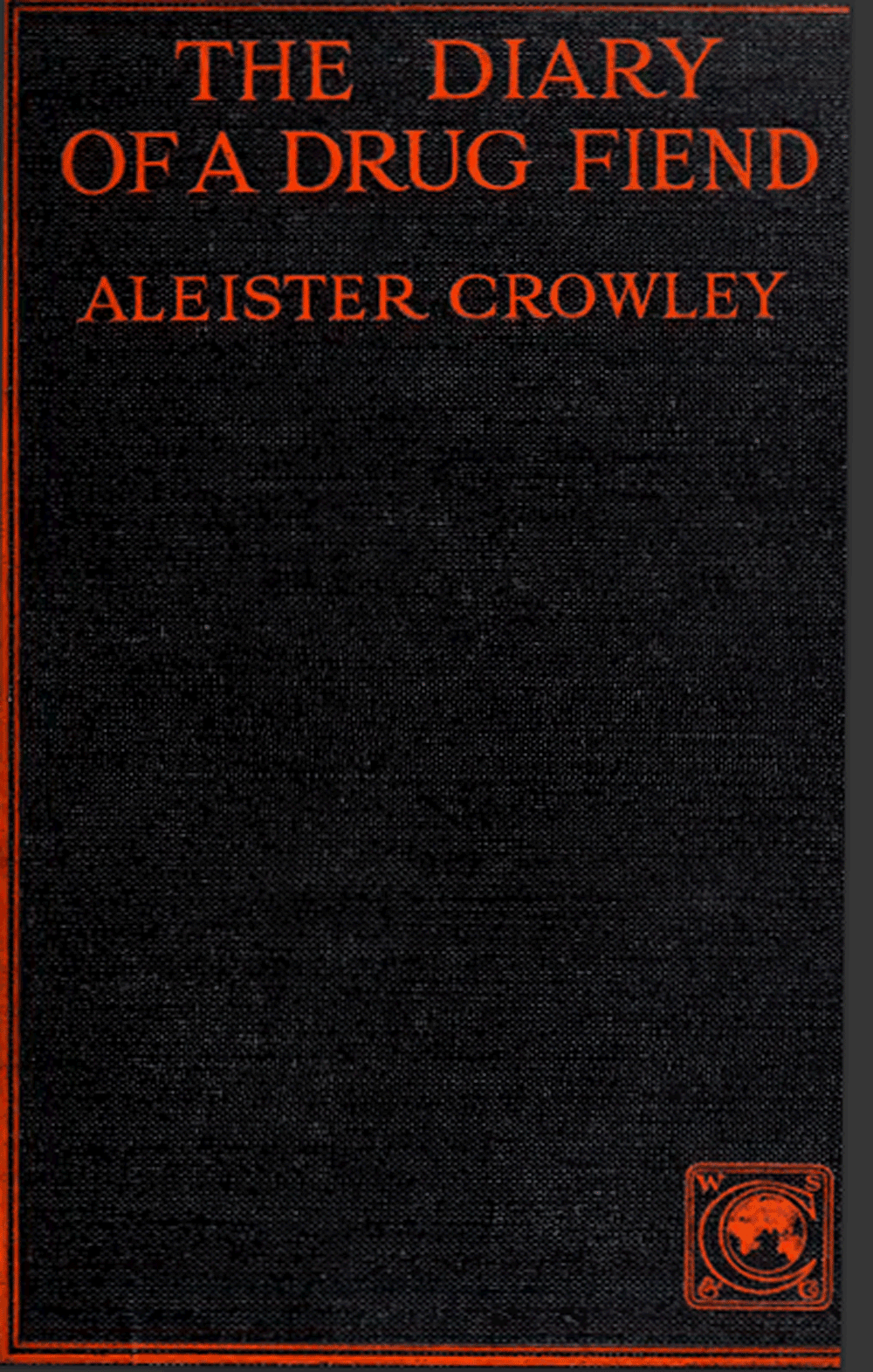
I just can't believe... [image]
We throw people out of jobs for using "drugs," we praise them for using "meds." The categories are imaginary, made up by politicians who want to demonize certain substances, but not cigs or beer.
There would be little or no profiling of blacks if the Drug War did not exist.
The American Philosophy Association should make itself useful and release a statement saying that the drug war is based on fallacious reasoning, namely, the idea that substances can be bad in themselves, without regard for why, when, where and/or how they are used.
There is an absurd safety standard for "drugs." The cost/benefit analysis of the FDA & co. never takes into account the costs of NOT prescribing nor the benefits of a productive life well lived. The "users" are not considered stakeholders.
In an article about Mazatec mushroom use, the author says: "Mushrooms should not be considered a drug." True. But then NOTHING should be considered a drug: every substance has potential good uses.
The Partnership for a Drug Free America should be put on trial for having blatantly lied to Americans in the 1980s about drugs, while using our taxpayer money to do so!
This hysterical reaction to rare negative events actually creates more rare negative events. This is why the DEA publicizes "drug problems," because by making them well known, they make the problems more prevalent and can thereby justify their huge budget.
Ketamine is like any other drug. It has good uses for certain people in certain situations. Nowadays, people insist that a drug be okay in every situation for everybody (especially American teens) before they will say that it's okay. That's crazy and anti-scientific.
Outlawing drugs is outlawing obvious therapies for Alzheimer's and autism patients, therapies based on common sense and not on the passion-free behaviorism of modern scientists.
I just can't believe... [image]
We throw people out of jobs for using "drugs," we praise them for using "meds." The categories are imaginary, made up by politicians who want to demonize certain substances, but not cigs or beer.
There would be little or no profiling of blacks if the Drug War did not exist.
The American Philosophy Association should make itself useful and release a statement saying that the drug war is based on fallacious reasoning, namely, the idea that substances can be bad in themselves, without regard for why, when, where and/or how they are used.


 (up)
(up)