








 Check out the 2021 article in Forbes in which a materialist doctor professes to doubt whether laughing gas could help the depressed. Materialists are committed to seeing the world from the POV of Spock from Star Trek.
"Chemical means of peering into the contents of the inner mind have been universally prized as divine exordia in man’s quest for the beyond... before the coarseness of utilitarian minds reduced them to the status of 'dope'." -- Eric Hendrickson
And where did politicians get the idea that irresponsible white American young people are the only stakeholders when it comes to the question of re-legalizing drugs??? There are hundreds of millions of other stakeholders: philosophers, pain patients, the depressed.
If the depressed patient laughs, that means nothing. Materialists have to see results under a microscopic or they will never sign off on a therapy.
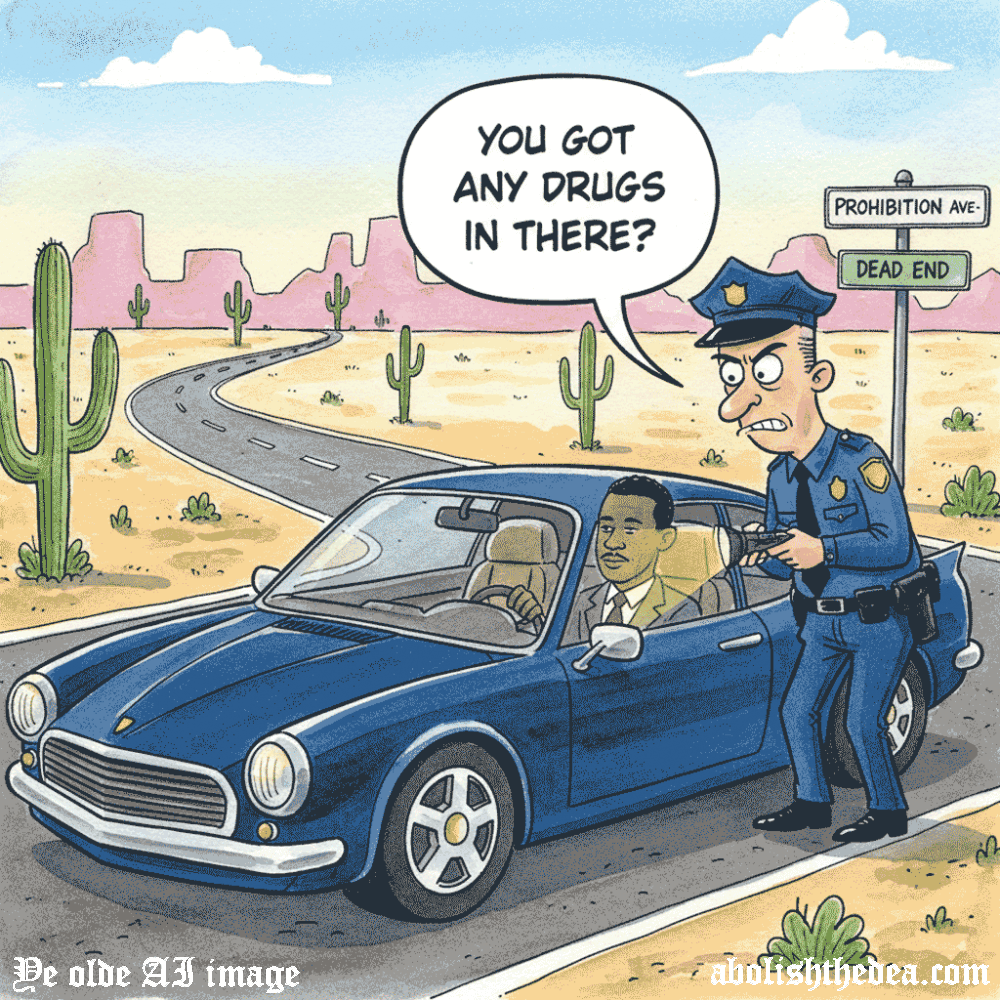
"Abuse" is a funny term because it implies that there's a right way to use "drugs," which is something that the drug warriors deny. To the contrary, they make the anti-scientific claim that "drugs" are not good for anybody for any reason at any dose.
Until we legalize ALL psychoactive drugs, there will be no such thing as an addiction expert. In the meantime, it's insulting to be told by neuroscience that I'm an addictive type. It's pathologizing my just indignation at psychiatry's niggardly pharmacopoeia.
Classic prohibitionist gaslighting, telling me that "drugs" is a neutral term. What planet are they living on?
Materialist scientists are drug war collaborators. They are more than happy to have their fight against idealism rigged by drug law, which outlaws precisely those substances whose use serves to cast their materialism into question.
Drug warriors aren't just deciding for us about drugs. They're telling us that we no longer need Coleridge poems, Lovecraft stories, Robin Williams, Sherlock Holmes, or the soma-inspired Hindu religion.
In a free world, almost all depressed individuals could do WITHOUT doctors: these adult human beings could handle their own depression with the informed intermittent use of a wide variety of psychoactive substances.
Check out the 2021 article in Forbes in which a materialist doctor professes to doubt whether laughing gas could help the depressed. Materialists are committed to seeing the world from the POV of Spock from Star Trek.
"Chemical means of peering into the contents of the inner mind have been universally prized as divine exordia in man’s quest for the beyond... before the coarseness of utilitarian minds reduced them to the status of 'dope'." -- Eric Hendrickson
And where did politicians get the idea that irresponsible white American young people are the only stakeholders when it comes to the question of re-legalizing drugs??? There are hundreds of millions of other stakeholders: philosophers, pain patients, the depressed.
If the depressed patient laughs, that means nothing. Materialists have to see results under a microscopic or they will never sign off on a therapy.
"Abuse" is a funny term because it implies that there's a right way to use "drugs," which is something that the drug warriors deny. To the contrary, they make the anti-scientific claim that "drugs" are not good for anybody for any reason at any dose.
Until we legalize ALL psychoactive drugs, there will be no such thing as an addiction expert. In the meantime, it's insulting to be told by neuroscience that I'm an addictive type. It's pathologizing my just indignation at psychiatry's niggardly pharmacopoeia.
Classic prohibitionist gaslighting, telling me that "drugs" is a neutral term. What planet are they living on?
Materialist scientists are drug war collaborators. They are more than happy to have their fight against idealism rigged by drug law, which outlaws precisely those substances whose use serves to cast their materialism into question.
Drug warriors aren't just deciding for us about drugs. They're telling us that we no longer need Coleridge poems, Lovecraft stories, Robin Williams, Sherlock Holmes, or the soma-inspired Hindu religion.
In a free world, almost all depressed individuals could do WITHOUT doctors: these adult human beings could handle their own depression with the informed intermittent use of a wide variety of psychoactive substances.


 (up)
(up)